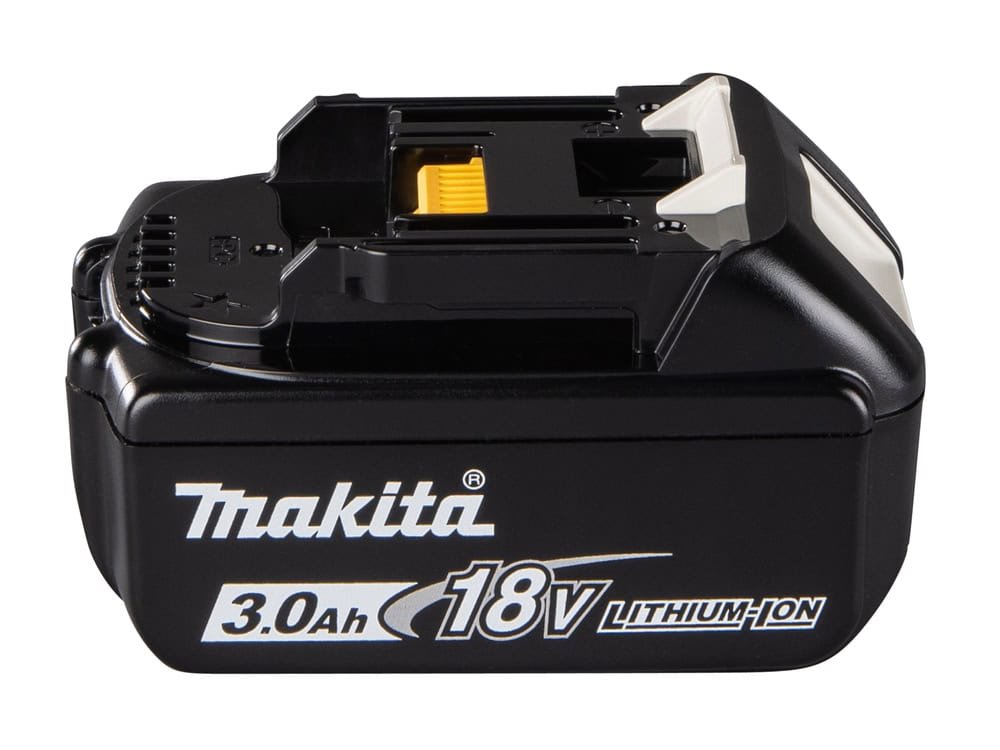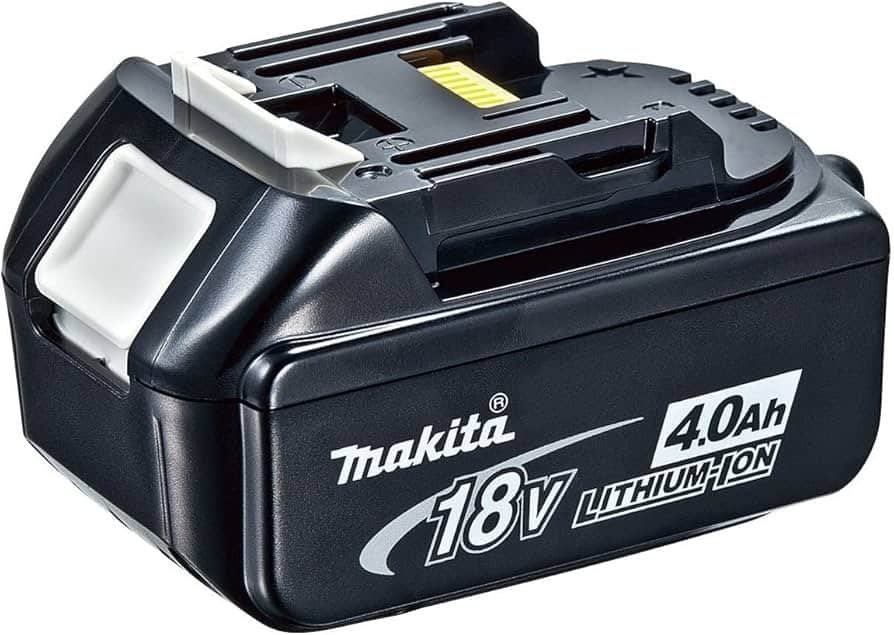
Lithium-ion batteries power our cordless tools, but they don’t last forever. When a battery finally loses its ability to hold a useful charge, you can’t simply throw it in the bin. Power tool batteries contain valuable materials that can be recovered, and they also contain chemicals that can be hazardous if they end up in landfill.
This guide covers how to know when a battery needs recycling, where to take it, and what actually happens to your old packs.
When to Recycle a Power Tool Battery
Not every underperforming battery needs recycling — sometimes a reset or deep charge can restore capacity. But it’s time to recycle when:
- Capacity has dropped below 50% of original — a 5.0Ah battery that only lasts as long as a 2.0Ah used to is nearing end of life
- The battery won’t hold a charge — it dies within minutes of use or shows full then immediately drops to empty
- The charger shows an error — most modern chargers will flash an error light when a battery is beyond recovery
- Physical damage — dents, cracks, swelling, or any visible damage to the casing means the battery should be safely recycled immediately
- The battery overheats during use or charging — excessive heat is a sign of failing cells
Where to Recycle Power Tool Batteries
United Kingdom
In the UK, retailers that sell more than 32kg of batteries per year are legally required to provide free battery recycling. This means most hardware stores and tool shops will accept your old packs:
- Screwfix — collection bins in all stores
- Toolstation — accepts tool batteries at the counter
- B&Q — recycling bins near the entrance
- Halfords — accepts all battery types
- Local council recycling centres — most have dedicated battery collection points
United States
- The Home Depot — all stores accept rechargeable batteries through the Call2Recycle programme
- Lowe’s — battery recycling bins near the entrance
- Call2Recycle drop-off locations — search at call2recycle.org for your nearest point
- Battery manufacturer programmes — DeWalt, Milwaukee, and Makita all accept old batteries through their service centres
- Best Buy — accepts rechargeable batteries up to 11 lbs
Australia
- B-cycle (formerly Battery Stewardship Council) — the national battery recycling scheme with drop-off points at Bunnings, Officeworks, ALDI, and many councils
- Bunnings — battery recycling bins in all stores
Canada
- Call2Recycle Canada — widespread drop-off network including Canadian Tire, Home Hardware, and RONA
- Provincial recycling programmes — check your province’s recycling authority website
How to Prepare Batteries for Recycling
- Discharge the battery as much as possible — run it in a tool until it shuts off. This reduces stored energy and makes transport safer.
- Tape the terminals — cover the battery contacts with electrical tape or masking tape to prevent short circuits during transport and storage.
- Don’t remove the casing — never attempt to open or disassemble a battery pack. The cells inside can be dangerous if punctured or short-circuited.
- Keep damaged batteries separate — if a battery is swollen, cracked, or has leaked, place it in a non-flammable container (metal bucket, sand bucket) and take it to a recycling point promptly. Some centres require you to call ahead for damaged lithium-ion batteries.
- Transport safely — carry batteries in a non-flammable bag, keep them upright, and don’t leave them in a hot vehicle for extended periods.
What Happens to Recycled Batteries?
Modern lithium-ion battery recycling recovers up to 95% of the valuable materials inside:
| Material | Recovery Rate | Reuse |
|---|---|---|
| Cobalt | ~95% | New batteries, electronics |
| Nickel | ~95% | Stainless steel, new batteries |
| Lithium | ~80% | New batteries, glass, ceramics |
| Copper | ~98% | Wiring, electronics |
| Aluminium | ~95% | Manufacturing, construction |
| Plastics | Varies | Recycled plastics or energy recovery |
The recycling process typically involves:
- Collection and sorting — batteries are sorted by chemistry (lithium-ion, NiCd, NiMH, lead-acid)
- Disassembly — packs are safely opened and cells removed
- Shredding — cells are mechanically shredded in a controlled environment
- Material separation — hydrometallurgical and pyrometallurgical processes extract individual metals
- Refinement — recovered materials are purified to battery-grade quality for reuse
What NOT to Do With Old Batteries
- Don’t put them in household rubbish — lithium-ion batteries in compactor trucks and landfills are a fire hazard. Multiple waste facility fires have been caused by improperly disposed batteries.
- Don’t throw them in general recycling bins — they need to go in dedicated battery collection points, not mixed recycling.
- Don’t hoard dead batteries indefinitely — ageing lithium-ion cells can become less stable over time. Recycle them within a reasonable timeframe.
- Don’t attempt DIY cell replacement — replacing individual cells in a tool battery pack is dangerous without proper equipment and knowledge. The BMS may not recognise mismatched cells, and poorly soldered connections can cause fires.
- Don’t burn batteries — lithium-ion batteries can explode violently when exposed to fire.
Extending Battery Life to Delay Recycling
The best recycling strategy is needing to recycle less often. These practices will maximise your battery’s lifespan:
- Store at 40-60% charge for long periods — not fully charged or fully depleted
- Avoid extreme temperatures — don’t leave batteries in a hot car or freezing garage
- Use the right battery for the job — a small battery constantly pushed to its limits will degrade faster than an appropriately-sized pack
- Remove batteries from chargers once full — modern chargers have maintenance modes, but extended time on the charger can generate unnecessary heat
- Keep batteries clean and dry — dirt and moisture on terminals can cause poor connections and overheating
Frequently Asked Questions
Can I throw power tool batteries in the bin?
No. Lithium-ion batteries must never go in household waste or general recycling. They are a fire hazard in waste processing facilities. Take them to a dedicated battery recycling point at hardware stores, council recycling centres, or through manufacturer take-back programmes.
Is it free to recycle power tool batteries?
Yes, in most countries. In the UK, EU, US, Canada, and Australia, there are free drop-off programmes at major retailers. You will not be charged for dropping off old rechargeable batteries at participating locations.
How long do power tool batteries last before needing recycling?
A quality lithium-ion tool battery typically lasts 3-5 years or 500-1,000 charge cycles, whichever comes first. With careful use and proper storage, some batteries remain useful for 6+ years. You’ll know it’s time when runtime drops significantly or the charger indicates an error.
Can recycled battery materials be used to make new tool batteries?
Yes. Recycled cobalt, nickel, and lithium can be refined to battery-grade quality and used in new lithium-ion cells. The recycling industry is rapidly scaling to meet demand, and closed-loop battery recycling is a growing focus for manufacturers.
Video Guide
Most major home improvement stores offer free battery recycling at the front desk. Never put lithium-ion batteries in regular rubbish — they’re a fire hazard in landfill and waste processing.
Frequently Asked Questions
Related Guides
- Power Tool Battery Warranty Guide by Brand
- Which Ryobi ONE+ Battery Should You Buy?
- Power Tool Battery Glossary: Ah, V, Wh Explained
- Are Third-Party Power Tool Batteries Safe?
Can I throw power tool batteries in the bin?
No. Lithium-ion batteries must never go in household waste or recycling bins. They can cause fires at waste facilities. Take them to a designated battery recycling point, hardware store collection, or local council hazardous waste facility.
Where can I recycle power tool batteries in the UK?
Most B&Q, Screwfix, and Halfords stores accept lithium-ion batteries for recycling. Your local recycling centre will also have a battery collection point. Many manufacturers also offer take-back programmes.
Are lithium-ion batteries recyclable?
Yes. Lithium-ion batteries are recyclable and contain valuable materials including cobalt, lithium, and nickel that can be recovered. Specialist recycling facilities extract these materials for reuse in new batteries.