You’ve invested in Makita 18V LXT batteries because they’re genuinely excellent — long runtime, durable cells, and backed by professional-grade chargers. But if you’re a serious DIYer or property owner, Ryobi ONE+ tools fill a specific niche that Makita simply doesn’t: affordable garden tools, specialty fasteners, and one-job tools you’d never justify buying a professional battery for. A Makita to Ryobi adapter solves this elegantly: use your premium Makita batteries in budget Ryobi tools without buying a whole new battery ecosystem.
Ryobi’s ONE+ platform is the world’s largest cordless tool ecosystem — over 100 tools span garden kit, garage kit, and site kit. Many of these are genuinely useful items (staplers, Sanders, nailers, hedge trimmers, lawn mowers) that cost £30–80 for the tool alone. With an adapter, you’re tapping into that entire catalogue without the battery investment. This guide covers the adapters available in the UK and explains when this strategy actually makes financial sense.
How Makita-to-Ryobi Adapters Work
Both Makita 18V LXT and Ryobi ONE+ 18V operate at the same nominal voltage (18V), but their connector designs are completely different. The Makita LXT uses a three-pin configuration; Ryobi ONE+ uses a spring-clip interface unique to their platform. An adapter accepts a Makita battery and presents a Ryobi-compatible connector, bridging the mechanical gap.
Because both systems share the same voltage, there’s zero electrical conversion — the adapter is purely a mechanical translator. However, it’s an unpowered, unintelligent device. You will still charge the battery using your Makita charger; Ryobi chargers won’t recognise an adapted Makita battery. Additionally, adapters add about 2–3 cm to the tool’s overall depth, which is occasionally noticeable but rarely a dealbreaker on ONE+ tools (which tend to be smaller and lighter than professional-grade equipment).
Best Makita to Ryobi Adapters
Badaptor MAK-RYO — Premium Quality Standard
Badaptor MAK-RYO is the engineered solution for Makita-to-Ryobi conversion. Badaptor’s reputation is built on precision connector geometry and durability testing, and the MAK-RYO lives up to that standard. The connector interface is tight and smooth, minimising wobble and protecting your battery’s connector pins from degradation over repeated use. If you’re planning to rotate this adapter regularly between multiple Ryobi tools, Badaptor’s engineering is worth the premium.
The MAK-RYO includes a 2-year warranty and ships from UK stock — no long waits for overseas delivery. At £23–29, it’s the most expensive option here, but if you’re building a meaningful Ryobi tool collection to supplement your Makita kit, the durability investment pays dividends. Professional gardeners and contractors with mixed equipment often choose Badaptor to avoid tool downtime.
Buy Badaptor MAK-RYO on Amazon
MT20RNL — Best Value Option
The MT20RNL is a generic adapter targeting the Makita-to-Ryobi gap and is widely available on Amazon UK at £17–22. For casual users — people buying a single Ryobi tool to test the platform or inheriting Ryobi equipment — this offers solid value. The connector design is adequate, not exceptional: you’ll get smooth insertion and removal for a year or two, then you might notice the fit becoming slightly looser.
The MT20RNL works fine for light, infrequent use. If you’re using one Ryobi hedge trimmer twice a year, this adapter will serve you well for years. If you’re rotating it between five different Ryobi tools daily on a property maintenance contract, invest in Badaptor. The trade-off is simple: cost versus longevity.
TPDL MT18RL with USB — Practical All-Rounder
The TPDL MT18RL offers a smart compromise between budget and features. Like most adapters, it converts your Makita battery to Ryobi compatibility, but it adds a USB-C charging port integrated into the housing. This isn’t powerful enough to charge your power tool battery, but it lets you top up phones, site lights, and small devices in the field — genuinely useful on long job days or when you’re working away from mains power.
At £18–24, the TPDL sits between the budget MT20RNL and premium Badaptor. The connector quality is reasonable, and user reviews suggest acceptable durability for 2–3 years of regular use. The USB port is the differentiator — if you’re already carrying tools and batteries, having a emergency phone-charging option in the same device adds real value. For property maintenance, gardening contractors, or serious DIY enthusiasts, the TPDL is a pragmatic choice.
Buy TPDL MT18RL USB Adapter on Amazon
Adapter Comparison Table
| Adapter | Input Battery | Price Range | Connector Quality | USB Port | Best For |
|---|---|---|---|---|---|
| Badaptor MAK-RYO | Makita 18V LXT | £23–29 | Precision-engineered | No | Professional use, multi-tool rotation, durability priority |
| MT20RNL | Makita 18V LXT | £17–22 | Adequate, functional | No | Casual use, single tool, budget-focused |
| TPDL MT18RL | Makita 18V LXT | £18–24 | Good | Yes (USB-C) | Field work, portable charging, property maintenance |
Compatible Makita 18V LXT Batteries
All Makita 18V LXT batteries work with these adapters. The standard range includes:
- BL1860B — 6.0Ah, premium capacity and runtime
- BL1850B — 5.0Ah, the workhorse standard battery
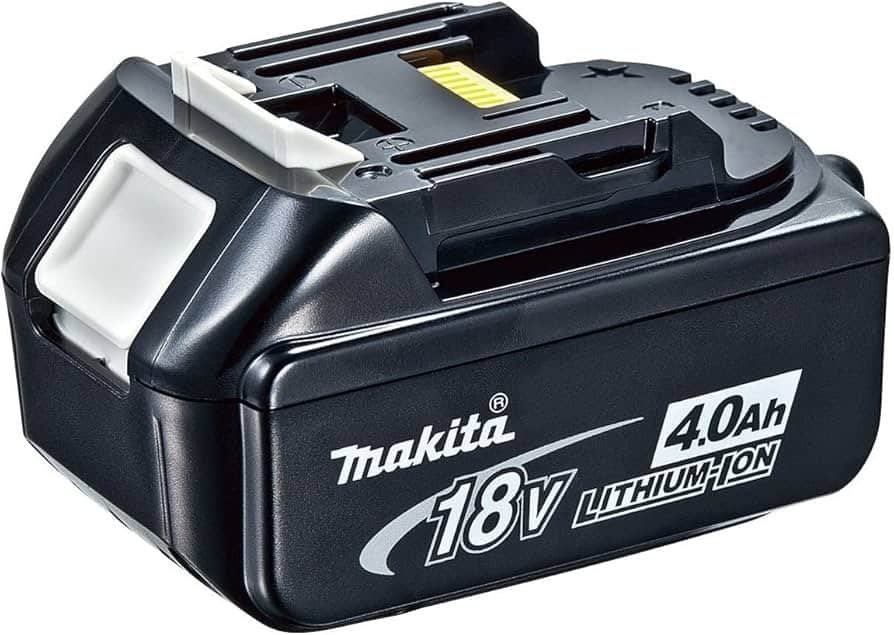
- BL1840 — 4.0Ah, older generation but common in the field
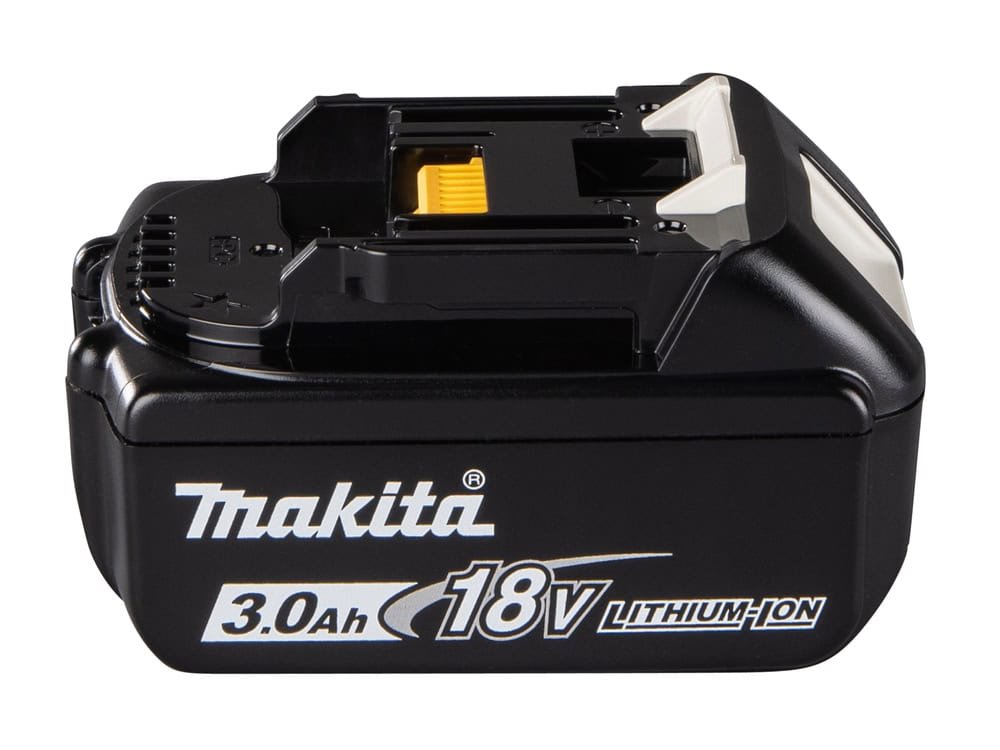
- BL1830B — 3.0Ah, lightweight and compact
- BL1820B — 2.0Ah, smallest capacity, rarely used now
Do not use: Makita 40V XGT or G-Series batteries with Makita-to-Ryobi adapters. These use completely different connectors and voltage levels and are physically incompatible.
A key advantage: Makita LXT batteries typically deliver longer runtime than equivalent Ryobi ONE+ batteries. A 5.0Ah Makita running a Ryobi hedge trimmer will often outlast a native Ryobi 5.0Ah battery by 20–30%, so you’re actually getting a performance boost when you adapt premium Makita cells into budget Ryobi tools.
When This Makes Financial Sense
Scenario 1: Garden Tools. Ryobi’s lawn care range is unmatched — hedge trimmers, leaf blowers, pressure washers, lawnmowers, and chainsaws, all in ONE+ 18V. A professional landscaper with a Makita drill kit can use one adapter to access Ryobi’s entire garden catalogue without buying six different Ryobi batteries. This is genuinely cost-effective.
Scenario 2: Specialist Tasks. Ryobi makes tools Makita doesn’t: nail guns, finish staplers, rotary tools, and detail sanders. If you need a tool for one job, buying a £50 Ryobi nailer and using an adapter beats buying a £150+ Makita nailer you’ll use once.
Scenario 3: Testing a New Tool Type. Want to try a cordless pressure washer before committing to buying a full battery platform? Use an adapter on a Ryobi model first. If you love it, then justify a platform investment. If it’s not for you, you’ve only paid for an adapter, not for a whole system.
Scenario 4: Inherited or Hand-Me-Down Equipment. If you’ve inherited Ryobi tools from a family member or purchase used Ryobi equipment, adapters let you instantly make use of it with batteries you already own.
Important Limitations
Ryobi chargers won’t charge an adapted Makita battery. This is the fundamental limitation. Ryobi’s smart chargers are designed to work with ONE+ batteries specifically. An adapter doesn’t transmit the battery data that Ryobi chargers expect. Always charge using your Makita charger, regardless of which tool the battery is mounted in.
Ryobi tools are lower-power than Makita tools. This isn’t a limitation of the adapter — it’s a design characteristic. Ryobi tools are engineered for lighter duty than Makita professional tools. Your adapted Makita battery will work perfectly in any Ryobi ONE+ 18V tool, but don’t expect a Ryobi drill to match a Makita drill’s torque or sustained power output. That’s not the adapter’s fault; that’s the tool design.
Connector wear happens over time. Each insertion and removal places microscopic stress on the adapter connector and your battery’s pins. Over 2–4 years of regular use, you’ll notice the fit becoming slightly looser. Quality adapters slow this process significantly.
Frequently Asked Questions
Can I use a Ryobi charger to charge a Makita battery that’s in a Ryobi tool?
No. Ryobi chargers include smart-cell detection that only recognises ONE+ battery data. An adapter is a dumb mechanical bridge — it doesn’t transmit this data. Always remove the battery from the Ryobi tool, disconnect the adapter, and charge it in your Makita charger.
Will my premium Makita battery damage in a budget Ryobi tool?
No. Your Makita LXT battery will work flawlessly in any Ryobi ONE+ 18V tool. In fact, you’ll likely see better runtime than a native Ryobi battery because Makita cells typically have slightly higher power density. The only wear is on the connector pins from repeated insertions, which happens with all adapters.
How often can I swap the adapter between different Ryobi tools?
As often as you like. There’s no limit on insertions and removals. Connector wear is cumulative but slow — expect 2–4 years of regular (daily) swapping before the fit noticeably loosens. For casual users, the adapter will likely outlast the Ryobi tools themselves.
What if I want to buy actual Ryobi batteries later?
You can do both. Some users adapt Makita batteries into Ryobi tools and separately own a few Ryobi batteries for tools that need them. Ryobi chargers charge Ryobi batteries normally. Having a mix of adapted Makita batteries and native Ryobi batteries gives you maximum flexibility on a varied job.
Related Tools & Guides
For a complete breakdown of Makita’s 18V LXT ecosystem, see our Makita 18V LXT Battery Compatibility guide. For other cross-brand adapter options, visit our power tool battery adapter hub. If you’re exploring which tools work best with which batteries, browse our full power tool battery compatibility FAQ.