Every cordless power tool needs a charger, but knowing which charger works with which battery can be confusing. This guide maps charger compatibility across the major battery platforms: Makita LXT, DeWalt 20V MAX, Milwaukee M18, Ryobi ONE+, Bosch Professional, and others. We’ve also included AC/DC adapters for portable charging on job sites.
Most people don’t think about chargers. They buy a tool kit that comes with a charger, use it for years, and call it done. But if you’re expanding your tool collection across multiple batteries, or if you own both old and new tools, understanding charger compatibility is critical. Buy the wrong charger and you’ve wasted money. Use the right charger and you can charge any battery in your system quickly and safely.
Charger Compatibility by Brand
Below is a comprehensive reference table showing charger compatibility for the major cordless power tool brands. All chargers listed are available in the UK from Amazon.co.uk or specialist retailers.
Makita 18V LXT Chargers
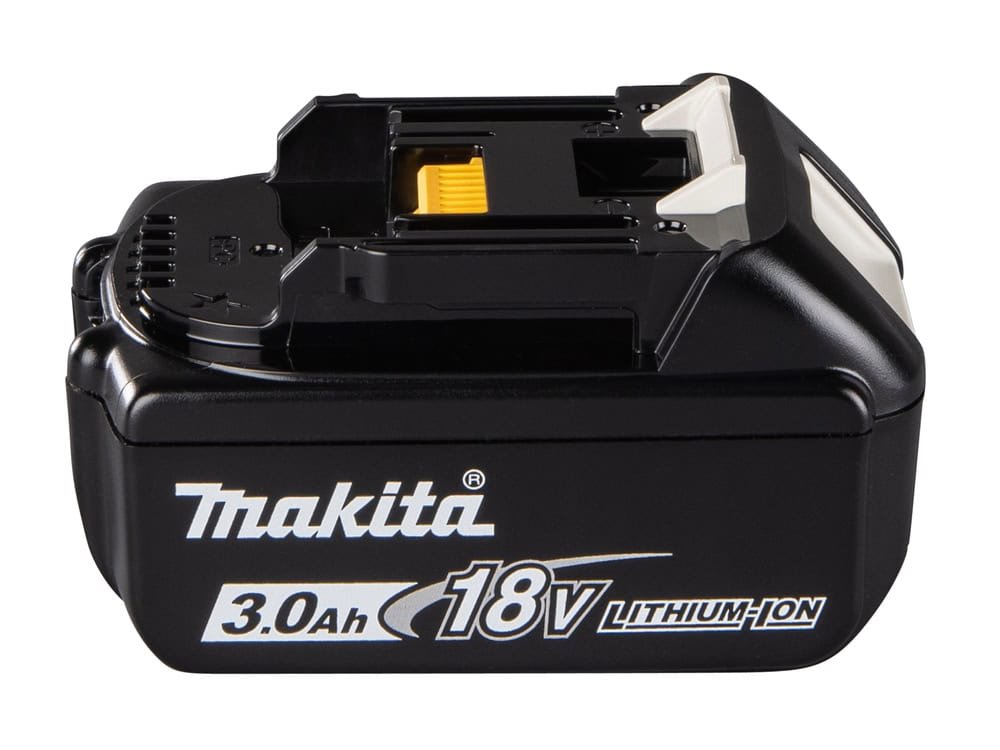
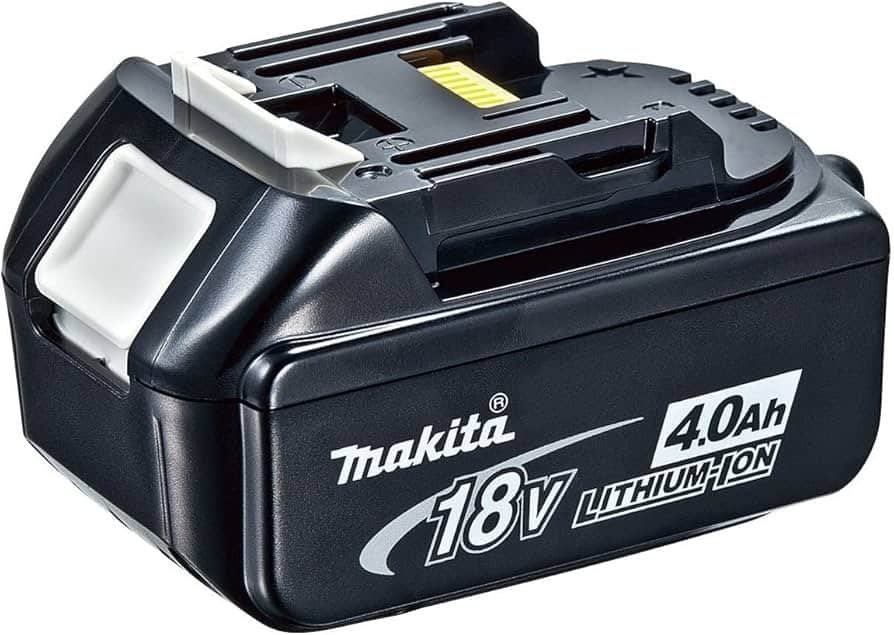
Makita’s LXT platform uses the same charger across all 18V batteries — from the original BL1830B through to the latest 6.0Ah and 9.0Ah models. A single charger works with every 18V LXT battery Makita has ever made.
| Charger Model | Charge Rate | Charge Time (3.0Ah) | Charge Time (5.0Ah) | Best For | Buy |
|---|---|---|---|---|---|
| DC18RC | Standard 3.0A | ~30 mins | ~50 mins | Single battery charging, entry-level | Buy on Amazon |
| DC18RD | Standard 3.0A dual-port | ~30 mins | ~50 mins | Two batteries simultaneously | Buy on Amazon |
| DC18SE | Ultra-fast 6.0A | ~18 mins | ~30 mins | Professional users, job sites, multiple batteries | Buy on Amazon |
| DC18SF | Fast 4.0A dual-port | ~22 mins | ~36 mins | Moderate use, two batteries at a time | Buy on Amazon |
Key point: All Makita LXT 18V chargers work with all LXT 18V batteries. There’s no incompatibility. Buy whichever charger fits your workflow — single battery slow charging (DC18RC) or multi-battery fast charging (DC18SE).
Makita 40V/40V MAX Chargers
Makita’s 40V and 40V MAX platforms use the same charger as the 18V LXT in many cases, but have dedicated chargers as well.
| Charger Model | Compatibility | Charge Rate | Best For | Buy |
|---|---|---|---|---|
| DC40RA | 40V / 40V MAX only | 2.0A standard | Light use, single battery | Buy on Amazon |
| DC40RB | 40V / 40V MAX only | 3.0A fast | Professional users, two batteries | Buy on Amazon |
| DC40RF | 40V / 40V MAX only | Rapid 4.0A | Contractors, rapid turnover | Buy on Amazon |
DeWalt 20V MAX Chargers
All DeWalt 20V MAX chargers work with all 20V MAX batteries — including POWERSTACK and ATOMIC. DeWalt has standardised on a single battery connector.
| Charger Model | Charge Rate | Charge Time (1.3Ah) | Charge Time (5.0Ah) | Best For | Buy |
|---|---|---|---|---|---|
| DCB101D2 | Standard 1.0A | ~70 mins | ~270 mins (4.5 hrs) | Hobby use, slow overnight charging | Buy on Amazon |
| DCB115D2 | Standard 1.3A dual-port | ~50 mins | ~190 mins (3.2 hrs) | Two batteries at once | Buy on Amazon |
| DCB112D2 | Fast 2.0A | ~40 mins | ~100 mins | Moderate use, home workshop | Buy on Amazon |
| DCB132D2 | Rapid 3.0A dual-port | ~30 mins | ~60 mins | Professional users, job sites | Buy on Amazon |
DeWalt FLEXVOLT Chargers
DeWalt FLEXVOLT batteries can charge in any DeWalt 20V MAX charger — they auto-detect the charger voltage and adjust accordingly. However, FLEXVOLT chargers are faster and recommended for the 20V / 60V crossover system.
| Charger Model | Voltage | Charge Rate | Charge Time (3.0Ah) | Best For | Buy |
|---|---|---|---|---|---|
| DCB132D2 | 20V | 3.0A | 30 mins (at 20V) | FLEXVOLT in 20V mode | Buy on Amazon |
| DCB132D3 | 20V/60V combo | 3.0A | ~25 mins (FLEXVOLT 20V mode) | FLEXVOLT 20/60V crossover | Buy on Amazon |
| DCB115D2 | 20V dual | 1.3A per port | ~50 mins | Two FLEXVOLT batteries | Buy on Amazon |
Milwaukee M18 & M12 Chargers
Milwaukee has separate chargers for M18 and M12 platforms — they are not interchangeable. However, each charger works with all batteries in its platform.
M18 Chargers (18V)
| Charger Model | Charge Rate | Charge Time (3.0Ah) | Charge Time (5.0Ah) | Best For | Buy |
|---|---|---|---|---|---|
| M18 PC | Standard 2.0A | ~30 mins | ~50 mins | Single battery, home use | Buy on Amazon |
| M18 DPC | Standard 2.0A dual-port | ~30 mins per battery | ~50 mins per battery | Two batteries simultaneously | Buy on Amazon |
| M18 FC | Fast 3.6A | ~20 mins | ~30 mins | Professional use, job sites | Buy on Amazon |
| M18 DFC | Fast 3.6A dual-port | ~20 mins per battery | ~30 mins per battery | Contractors with two batteries | Buy on Amazon |
M12 Chargers (12V)
| Charger Model | Charge Rate | Charge Time (2.0Ah) | Charge Time (5.0Ah) | Best For | Buy |
|---|---|---|---|---|---|
| M12 C12C | Standard 1.5A | ~40 mins | ~110 mins | Single battery, compact use | Buy on Amazon |
| M12 DFC | Fast 2.5A dual-port | ~30 mins | ~60 mins | Two compact batteries, rapid charging | Buy on Amazon |
Key compatibility rule: M18 chargers CANNOT charge M12 batteries, and vice versa. If you own both M12 and M18 tools, you need two separate chargers.
Ryobi ONE+ 18V Chargers
All Ryobi ONE+ 18V chargers work with all ONE+ 18V batteries — from entry-level models to the newest HP (High Performance) batteries.
| Charger Model | Type | Charge Rate | Charge Time (2.0Ah) | Charge Time (5.0Ah) | Best For |
|---|---|---|---|---|---|
| RC18115 | Standard 1.5A | 1.5 amps | ~85 mins | ~210 mins (3.5 hrs) | Starter kits, hobby users, slow overnight charging |
| RC18120 | Compact 2.0A | 2.0 amps | ~60 mins | ~150 mins (2.5 hrs) | Most users, good balance of speed and size |
| RC18150 | Super Fast 5.0A | 5.0 amps | ~20 mins | ~50 mins | Professional users, busy job sites, multiple batteries |
| RC18627 | 6-Port Sequential | Variable (staggered) | Varies | Varies | Contractors with many batteries, site charging stations |
Bosch Professional Chargers
All Bosch Professional (blue) 18V chargers work with GBA, GBA PROFACTOR, and ProCORE batteries — they all use the same connector.
| Charger Model | Type | Charge Rate | Charge Time (2.0Ah) | Charge Time (4.0Ah) | Best For |
|---|---|---|---|---|---|
| GAL 18V-40 | Standard compact | 2.0A | ~35 mins | ~60 mins | Home workshop, single battery |
| GAL 18V-160 C | Fast with COOLPACK | 3.0A | ~25 mins | ~45 mins | Professional, job sites (recommended) |
| GAL 18V-160 C AirCooled | Ultra-fast with cooling | 4.0A | ~20 mins | ~35 mins | Contractors, rapid battery turnover |
Bosch Home & Garden Chargers
All Bosch Home & Garden (green) 18V chargers work with PBA batteries only — they are completely separate from Professional chargers.
| Charger Model | Type | Charge Rate | Charge Time (2.0Ah) | Charge Time (4.0Ah) | Best For |
|---|---|---|---|---|---|
| AL 18V-10 | Standard | 1.0A | ~60 mins | ~120 mins | Occasional use, DIY, slow charging |
| AL 18V-30 | Fast | 2.5A | ~25 mins | ~50 mins | Regular use, garden tools |
View Bosch green chargers on Amazon
AC/DC Vehicle & Site Chargers
For jobs away from mains power, portable AC/DC chargers are essential. These plug into a 12V vehicle outlet or 230V mains and charge batteries on the go.
| Charger Model | Input | Batteries Supported | Best For | Buy |
|---|---|---|---|---|
| Makita DC18SC (12V vehicle) | 12V DC vehicle socket | Makita 18V LXT | Site charging via car charger | Buy on Amazon |
| DeWalt DCV500D (12V vehicle) | 12V DC vehicle socket | DeWalt 20V MAX | Rapid site charging | Buy on Amazon |
| Milwaukee M18 PC 240V | 240V mains | Milwaukee M18 | Workshop charging, standard output | Buy on Amazon |
| Ryobi 18V JobSite Charger (12V/240V) | 12V DC / 240V AC combo | Ryobi ONE+ 18V | Flexible on-site charging | Buy on Amazon |
Frequently Asked Questions
Can I use a Makita charger with DeWalt batteries?
No. Makita, DeWalt, Milwaukee, Ryobi, Bosch, and other brands all use proprietary battery connectors. Chargers are NOT cross-compatible between brands. Each brand has its own connector design for safety and performance reasons.
Are fast chargers worth the extra cost?
Yes, if you use your tools regularly or own multiple batteries. A fast charger (3.6A–6.0A) can charge a 5.0Ah battery in 30–50 minutes, while a standard charger takes 2+ hours. For professionals and heavy DIYers, fast chargers save significant time on job sites.
Can I leave a battery on the charger overnight?
Yes. All modern chargers have smart circuitry that prevents overcharging. Once a battery is fully charged, the charger switches to a trickle charge or standby mode. It’s safe to leave batteries overnight, though batteries degrade slightly faster if left permanently on chargers.
Which charger should I buy if I have old and new batteries?
Buy the newest charger available for your brand. Modern chargers are backward compatible with older batteries. An Makita DC18SE (ultra-fast) works with BL1830B batteries from 2012. Similarly, a DeWalt DCB132D2 works with 20V MAX batteries from any year.
Do I need different chargers for different capacities (2Ah vs 5Ah)?
No. A single charger works with all batteries of the same platform, regardless of capacity. A 1.3A charger charges both 2.0Ah and 5.0Ah batteries — it just takes longer for the 5.0Ah. Buy one charger that fits your use case (slow for hobby, fast for professional).
What’s the difference between standard and fast chargers?
Fast chargers deliver higher current (3.6A–6.0A) vs standard chargers (1.5A–2.0A), charging batteries in 20–50 mins instead of 60–120 mins. Fast chargers generate slightly more heat, so they often include active cooling (COOLPACK or AirCooled technology). Both are safe; fast chargers are just more convenient for busy job sites.
Can I use a 12V car charger with my drill on a job site?
Yes, if your brand offers a 12V car charger (Makita DC18SC, DeWalt DCV500D, Ryobi JobSite). Plug it into your car’s 12V outlet and charge your battery while working. Charging is slower via 12V (typically 60–90 mins for a 5.0Ah battery) than mains AC, but it’s invaluable on long job days away from power sockets.
Battery Compatibility guide for a full compatibility matrix.
Which Charger Should You Buy?
Your charger choice depends on three things: your brand, your use pattern, and your budget.
For Hobby & Light DIY Users:
- Makita: DC18RC (single port, standard speed) — £25–35
- DeWalt: DCB101D2 (single port, slow) or DCB115D2 (dual port) — £30–45
- Milwaukee: M18 PC (single port) or M12 C12C (12V compact) — £40–60
- Ryobi: RC18120 (compact 2.0A) — £25–35
- Bosch: GAL 18V-40 (standard compact) — £30–50
These chargers are adequate for weekend DIY, light gardening, and occasional drilling. Charge times are longer (60–120 mins for a 5.0Ah battery), but you’re paying less upfront.
For Regular Home Workshop Users:
- Makita: DC18SF (fast dual-port, 4.0A) — £45–65
- DeWalt: DCB112D2 (fast 2.0A) or DCB132D2 (rapid dual 3.0A) — £50–80
- Milwaukee: M18 FC (fast 3.6A) — £60–85
- Ryobi: RC18150 (super fast 5.0A) — £40–60
- Bosch Professional: GAL 18V-160 C (fast 3.0A, COOLPACK) — £60–80
These are the Goldilocks chargers — they balance speed, features, and cost. Charging times drop to 30–50 mins for standard batteries. If you own 2–3 batteries and swap between tools regularly, you’ll notice the improvement.
For Professionals & Contractors:
- Makita: DC18SE (ultra-fast 6.0A) — £70–100
- DeWalt: DCB132D2 (rapid dual 3.0A) or DCB164D1T1 (multi-port) — £80–120
- Milwaukee: M18 DFC (dual fast 3.6A) — £100–140
- Bosch Professional: GAL 18V-160 C AirCooled (ultra-fast 4.0A with cooling) — £90–130
Fast multi-port chargers are essential on busy job sites. Charge times of 20–30 mins mean you can rotate batteries throughout the day without waiting. Dual and multi-port chargers let you charge two or more batteries simultaneously, maximizing uptime.
Charger Safety & Best Practices
All modern chargers include smart safety features:
- Temperature monitoring — Chargers detect over-temperature and throttle charge rate
- Overcharge protection — Once fully charged, chargers switch to trickle charge or stop
- Short circuit protection — Chargers detect faults and shut down
- Cell balancing — Multi-cell batteries charge each cell evenly
Best practices:
- Charge in a cool environment (15–25°C). Avoid direct sunlight and damp areas.
- Don’t leave batteries on chargers permanently — charge when needed and remove.
- Keep charger vents clear. Don’t cover or block airflow.
- Use the correct charger for your battery platform. Never attempt DIY adapters.
- Inspect battery connectors regularly for corrosion. Clean with a dry cloth if needed.
- Replace chargers if they smell of burning plastic or show signs of damage.
Charger Comparison Across All Brands
| Brand | Entry-Level Charger | Standard Charger | Fast/Pro Charger | Multi-Port Option |
|---|---|---|---|---|
| Makita 18V LXT | DC18RC (3.0A) | DC18SF (4.0A dual) | DC18SE (6.0A ultra) | DC18RD (dual standard) |
| DeWalt 20V MAX | DCB101D2 (1.0A) | DCB112D2 (2.0A) | DCB132D2 (3.0A dual) | DCB115D2 (1.3A dual) |
| Milwaukee M18 | M18 PC (2.0A) | M18 DPC (2.0A dual) | M18 FC (3.6A fast) | M18 DFC (3.6A dual) |
| Ryobi ONE+ 18V | RC18115 (1.5A) | RC18120 (2.0A compact) | RC18150 (5.0A ultra) | RC18627 (6-port) |
| Bosch Professional | GAL 18V-40 (2.0A) | GAL 18V-160 C (3.0A) | GAL 18V-160 C AirCooled (4.0A) | Sequential available |
Summary: Quick Charger Buying Guide
Step 1: Identify your brand and platform (Makita LXT, DeWalt 20V MAX, Milwaukee M18, Ryobi ONE+, Bosch Professional, etc.).
Step 2: Choose your charge speed:
- Slow (1.0–2.0A): Budget-friendly, overnight charging, hobby use. Cost: £20–40
- Standard (2.0–3.0A): Good balance, 30–60 min charging, home workshop. Cost: £40–70
- Fast (3.6–5.0A): Job sites, professionals, multiple batteries. Cost: £70–150
Step 3: Decide on ports:
- Single-port: Cheapest, adequate for one battery at a time
- Dual-port: Charge two batteries simultaneously (recommended for most users)
- Multi-port (4–6): Contractor or fleet charging, overkill for most DIYers
Step 4: Buy from reputable retailers (Amazon.co.uk, Screwfix, B&Q, Toolstation) to ensure warranty and genuine products.
Once you’ve chosen your brand, a single charger lasts years and works with all future batteries on that platform. Invest in quality — a £60–80 fast dual-port charger delivers convenience and flexibility for 5+ years of tool use.
Battery Compatibility guide for a full compatibility matrix.