Ryobi ONE+ 18V batteries don’t natively fit tools from DeWalt, Milwaukee, or Makita — every brand uses a different connector shape. However, third-party battery adapters exist that let you use Ryobi batteries in other brands’ tools (and use other brands’ batteries in Ryobi tools). This guide covers how these adapters work, what’s available, the risks, and whether they’re worth it.
Short Answer
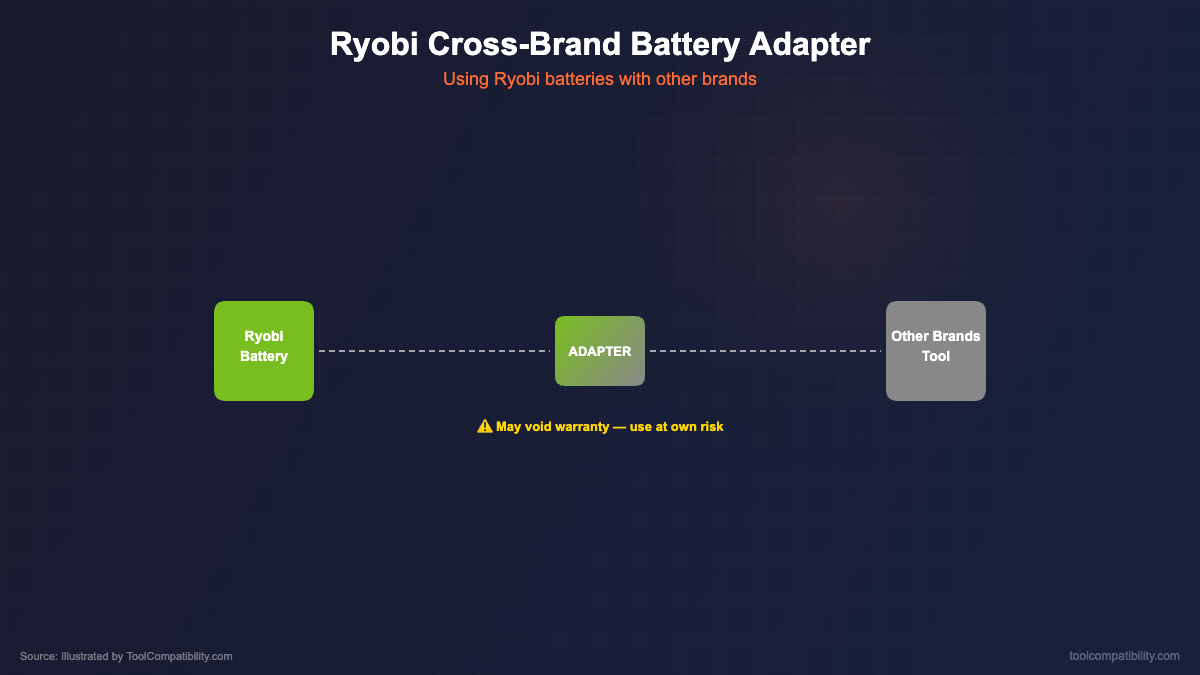
Yes, you can use Ryobi ONE+ 18V batteries in other brands’ tools — and vice versa — with a third-party adapter. Adapters are available for most brand combinations and cost around $15–$30. However, they bypass built-in safety systems, void warranties, and are not endorsed by any manufacturer.
Available Adapter Combinations
Because Ryobi ONE+ is one of the most popular DIY platforms, there are adapters available in nearly every direction:
| Direction | What It Does | Typical Price |
|---|---|---|
| Ryobi ONE+ → DeWalt 20V | Use Ryobi batteries in DeWalt tools | $15–$25 |
| DeWalt 20V → Ryobi ONE+ | Use DeWalt batteries in Ryobi tools | $15–$25 |
| Ryobi ONE+ → Milwaukee M18 | Use Ryobi batteries in Milwaukee tools | $15–$25 |
| Milwaukee M18 → Ryobi ONE+ | Use Milwaukee batteries in Ryobi tools | $15–$25 |
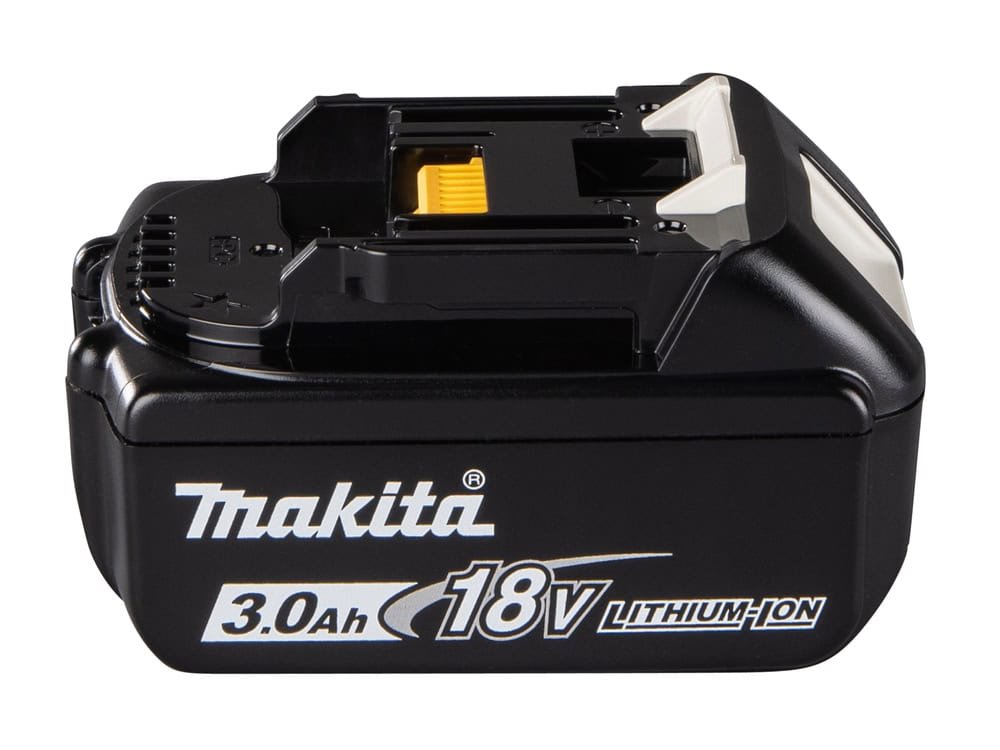
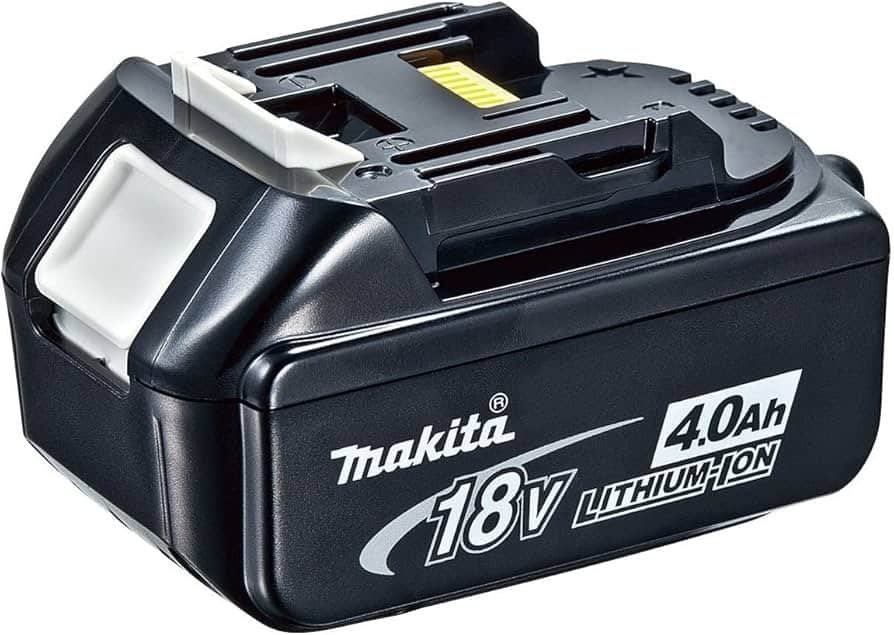
| Ryobi ONE+ → Makita 18V LXT | Use Ryobi batteries in Makita tools | $15–$25 |
| Makita 18V → Ryobi ONE+ | Use Makita batteries in Ryobi tools | $15–$25 |
| 2-in-1 DeWalt/Milwaukee → Ryobi | Use either DeWalt or Milwaukee batteries in Ryobi tools | $20–$30 |
Popular adapter brands include Powuse, CrossFirePower, Biswaye, and MAKBOS. Some adapters include a bonus USB charging port. The 2-in-1 adapters from Powuse are particularly popular because they accept both DeWalt and Milwaukee batteries in a single adapter.
How Do These Adapters Work?
Battery adapters are passive connectors that physically bridge one brand’s battery interface to another brand’s tool slot. They route power from the battery’s positive and negative terminals to the corresponding terminals on the tool.
The voltage is compatible across all four major brands: Ryobi ONE+ (18V), Milwaukee M18 (18V), Makita LXT (18V), and DeWalt 20V MAX (nominal 18V — the “20V” label is marketing based on peak unloaded voltage). All four platforms operate at essentially the same voltage, which is why adapters are possible.
Safety Risks & Limitations
| Risk | Explanation |
|---|---|
| BMS communication bypass | Each brand’s batteries have onboard Battery Management Systems that communicate with their native tools. Adapters bypass this entirely — the tool can’t read battery state, temperature, or charge level. |
| No automatic shutoff | The tool won’t know when the battery is depleted. Over-discharging damages lithium-ion cells and permanently reduces battery life. |
| Overheating risk | Without temperature monitoring, high-draw tools can push a battery into thermal stress undetected. |
| Warranty void | All manufacturers explicitly exclude warranty coverage for damage caused by third-party adapters. |
| Physical bulk | Adapters add 1–2 inches and extra weight between battery and tool, affecting balance. |
| Contact quality varies | Cheap adapters may have poor terminal contacts, leading to intermittent power drops or overheating at the connection point. |
When It Makes Sense
- You have a big Ryobi collection and bought one tool from another brand. An adapter avoids buying an entirely new battery platform for a single tool.
- Using professional batteries in Ryobi tools. If you own Milwaukee or DeWalt professional batteries, using them in Ryobi tools via an adapter can give those tools a performance boost from the higher-quality cells.
- Low-power tools only. LED lights, radios, fans, inflators, and compact drills are safe candidates.
- Temporary or infrequent use. Weekend DIY use carries minimal risk.
When You Should NOT Use an Adapter
- High-draw tools: Circular saws, angle grinders, SDS drills, reciprocating saws.
- If you’re building a new tool collection: Pick one brand and stick with it rather than mixing platforms with adapters.
- Professional daily use: The warranty and safety risks don’t make sense for tools you depend on for income.
The Bottom Line
Ryobi battery adapters work for casual cross-brand use and can save you from buying duplicate battery platforms. They’re best suited for low-power tools used occasionally. For anything demanding or frequent, buying the correct battery for your tool remains the safest and most reliable option.
Related Guides
- Every Ryobi ONE+ 18V Tool and Which Batteries Fit
- How Long Do Power Tool Batteries Last?
- Can I Use a Higher Ah Battery in My Drill?
- Can You Use Makita Batteries in DeWalt Tools?
- Can You Use Milwaukee Batteries in DeWalt Tools?
Video Guide
Frequently Asked Questions
Protecting Your Battery Investment
Regardless of whether you explore cross-brand adapters or stick within the Ryobi ONE+ ecosystem, proper battery care ensures your investment lasts. Store batteries at 40-60% charge when not in use, avoid extreme temperatures, and always use approved chargers. If you do use third-party adapters, inspect both the adapter and battery contacts regularly for signs of wear or damage, and never leave adapted setups unattended while charging.
The safest and most reliable approach is to keep each brand’s batteries within their own ecosystem. Ryobi’s ONE+ platform offers over 300 tools, making it likely that Ryobi produces a version of whatever tool you need. Expanding within the same platform gives you guaranteed compatibility, full warranty protection, and optimised performance without the risks associated with cross-brand adapters.
Can I use Ryobi ONE+ batteries in Makita or DeWalt tools?
Not directly. Ryobi ONE+ uses a proprietary battery connection that is incompatible with other brands. Some third-party adapters exist, but they are rare for Ryobi and generally not recommended due to voltage differences and safety concerns. Each brand’s ecosystem is designed to be self-contained.
Why are Ryobi battery adapters less common than other brands?
Ryobi ONE+ tools are positioned as consumer-grade and priced affordably, so the economic incentive to adapt batteries between brands is lower. A new Ryobi battery typically costs less than an adapter for a professional brand. Additionally, the ONE+ battery rail design is unique, making adapter engineering more challenging.
Are there any brands compatible with Ryobi ONE+ batteries?
No major tool brand shares battery compatibility with Ryobi ONE+. The ONE+ platform is exclusive to Ryobi (a TTI brand). However, Ryobi does have the broadest single-platform tool range with 300+ tools, so staying within the ONE+ ecosystem gives you access to virtually every tool category without needing cross-brand compatibility.
Frequently Asked Questions
Batteries from different brands are NOT interchangeable without third-party adapters, and using adapters typically voids both tool and battery warranties. Stick within your platform ecosystem.
Can Ryobi ONE+ batteries work in other brands’ tools?
No, not directly. Ryobi ONE+ batteries use a proprietary connector not compatible with Makita, DeWalt, Milwaukee, or other brands. Third-party adapters exist but are not recommended.
Are there adapters for Ryobi batteries?
Some third-party adapters exist but they are not recommended by Ryobi or the receiving tool brand. They can cause damage, reduced performance, and void warranties.
Can I use other brand batteries in Ryobi tools?
No. Ryobi ONE+ tools only accept Ryobi ONE+ 18V batteries. The battery interface is unique to the Ryobi platform.