Buying the right saw blade is just as important as choosing the right saw. Your blade determines cut quality, speed, and how long your tool will last. But with hundreds of options across different fitting systems and materials, knowing where to buy saw blades in the UK — and which ones to choose — can be overwhelming.
This guide brings together the best jigsaw, circular, and reciprocating saw blades from trusted UK retailers. You’ll find direct links to popular products on Amazon, recommendations from specialist retailers like Screwfix and Toolstation, and straightforward advice on matching blades to your work.
Whether you’re cutting wood, metal, plastic, or composite materials, you’ll find what you need here.
Quick Links by Blade Type
| Blade Type | Popular Sizes | Compatibility Guide |
|---|---|---|
| Jigsaw Blades | T-shank & U-shank | Jigsaw blade fitting guide |
| Circular Saw Blades | 165mm, 190mm, 216mm | Circular saw blade compatibility |
| Reciprocating Saw Blades | Universal fitting | Reciprocating blade guide |
Best Jigsaw Blades
Jigsaw blades come in two main fittings: T-shank (modern, most common) and U-shank (older, less common). Most modern jigsaws use T-shank. When shopping, check your saw’s manual or look at your current blade to confirm which fitting you need. See our T-shank vs U-shank guide for details.
Here are the best jigsaw blades available in the UK right now:
|
Bosch Professional Jigsaw Blade Set |
|
Makita T-shank Jigsaw Blade Set |
|
DeWalt T-shank Jigsaw Blade Set |

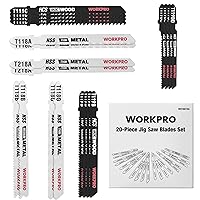

Browse all jigsaw blades on Amazon UK
See also: Bosch jigsaw blade compatibility
Best Circular Saw Blades
Circular saw blades are sized by their diameter — cordless saws typically use 165mm blades, whilst larger corded saws take 190mm or 216mm. The bore size (hole in the centre) also matters: most cordless saws have a 20mm bore, whilst many corded saws use 30mm. Always check your saw’s manual before buying.
Here are the best circular saw blades for UK workshop use:
|
Saxton TCT Circular Saw Blade 165mm (24T) |
|
Trend CraftPro Circular Saw Blade 165mm |
|
Saxton TCT Mitre Saw Blade 216mm (60T) |


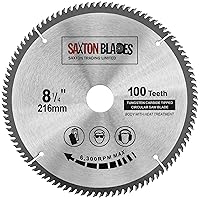
Browse all circular saw blades on Amazon UK
See also: Circular saw blade compatibility guide, Makita circular saw blades, DeWalt circular saw blades
Best Reciprocating Saw Blades
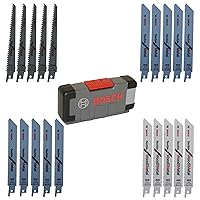
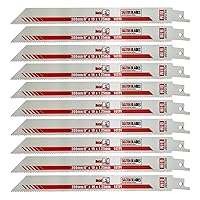
Reciprocating saw blades (also called sabre saw or recip saw blades) have universal fittings — they work across Makita, DeWalt, Milwaukee, Bosch and virtually all other brands. The main choice is blade type: wood-cutting blades have fewer, larger teeth; metal-cutting blades are finer-toothed and cut more slowly but stay sharper longer.
|
Bosch Professional Reciprocating Saw Blade Set |
|
Saxton Reciprocating Saw Blades for Metal |
|
High-Speed Wood Reciprocating Saw Blades |
Browse all reciprocating saw blades on Amazon UK
See also: Reciprocating blade compatibility guide, Are reciprocating saw blades universal?
Which Blade Fits My Saw?
Jigsaw blades: Check your current blade or your saw’s manual. Modern jigsaws almost always use T-shank; older saws may use U-shank. These are not interchangeable. See our T-shank vs U-shank comparison to be sure.
Circular saw blades: Two measurements matter: diameter (165mm, 190mm or 216mm most common) and bore size (hole in the centre — usually 20mm for cordless, 30mm for corded). Check your saw’s nameplate or manual. See our bore size guide for details.
Reciprocating saw blades: Universal fitting across all major brands — Makita, DeWalt, Milwaukee, Bosch, Ryobi and others all use the same connection. No compatibility checking needed. See our universal reciprocating blades guide.
UK Retailers Beyond Amazon
Amazon is convenient, but you have other options in the UK that often offer same-day or next-day delivery:
Screwfix: 890+ branches nationwide. Click-and-collect available at most locations. Same-day delivery option in some areas. Good stock of Bosch, DeWalt and own-brand blades. Competitive pricing on bulk buys.
Toolstation: 600+ branches across the UK. Click-and-collect service. Specialist in cordless tools and accessories. Usually stock multiple brands of each blade type. Price-match available.
Power Tool World: Online specialist with competitive pricing. Fast delivery. Expert reviews and compatibility advice on their website. Good for bulk orders and bulk pricing.
B&Q: Available nationwide. Good stock of major brands. Free click-and-collect or home delivery on orders over £45. Helpful in-store staff for technical questions.
Wickes: Similar to B&Q. Click-and-collect and home delivery options. Good for last-minute purchases.
Amazon: Fast delivery (Prime), competitive pricing, easy returns. Best for comparison shopping and reading customer reviews.
How to Choose the Right Saw Blade
Choosing the right blade for your job makes a real difference. Here’s what to consider:
Match the blade to the material: Wood blades have wider spacing between teeth; metal blades have fine, close teeth. Using a wood blade on metal will overheat and dull the blade instantly. Using a metal blade on wood is slow and wasteful.
Understand TPI (teeth per inch): More teeth = smoother cut but slower speed. Fewer teeth = faster but rougher cut. For wood, use 6–10 TPI. For metal, use 18–32 TPI. For plastic, use 10–14 TPI.
TCT vs steel: Tungsten carbide tipped (TCT) blades stay sharp 5–10 times longer than steel blades. They cost more upfront but save money in the long run if you use your saw regularly. Steel blades are fine for occasional use.
Quality matters: Budget blades work, but premium blades from Bosch, Makita, DeWalt and Trend cut cleaner and last longer. The difference is real, especially for finish work.
Keep spare blades: Dull blades slow you down and cause tool strain. Replace them when they start to slow or overheat, not when they stop cutting entirely.
Watch: Video Guide
Frequently Asked Questions
Are jigsaw blades universal?
No. Jigsaw blades come in two main fittings: T-shank (modern, 95% of saws) and U-shank (older, less common). You must use the correct fitting for your saw — they are not interchangeable. Check your saw’s manual or look at your current blade to see which you need. See our T-shank vs U-shank comparison for detailed guidance.
What size circular saw blade do I need?
This depends on your saw. Most cordless circular saws use 165mm (6.5 inch) blades. Larger corded saws take 190mm or 216mm. Check your saw’s manual or look at the nameplate on the saw body. Also check the bore size (hole in centre) — cordless saws typically use 20mm bore, corded saws usually 30mm. See our bore size guide for full details.
Can I use a wood blade to cut MDF?
Yes, but with caution. MDF is denser than natural wood and will dull a wood blade faster. A fine-toothed wood blade works better than a coarse blade. For regular MDF cutting, consider using a plastic/composite blade instead — these have finer teeth and stay sharper longer. Always wear a mask when cutting MDF, as the dust is fine and irritating to lungs.
Where is the cheapest place to buy saw blades in the UK?
Amazon and specialist online retailers like Power Tool World usually offer the lowest prices. Screwfix and Toolstation run regular promotions and offer click-and-collect, so check their websites. Bulk buys (5 or more blades of the same type) often qualify for discount pricing. Compare prices across retailers before buying — the same blade can vary by £5–10 depending on where you shop.
How often should I replace saw blades?
Replace a blade when you notice: the tool slowing down despite pressure, increased vibration, a burnt smell, or rough/splintered edges on your cut. This typically happens every 10–40 hours of cutting (varies by blade quality, material being cut, and feed pressure). A dull blade wastes time and strains your saw — replacement is cheaper than tool repair.
Can I sharpen circular saw blades?
Technically yes, but usually not worth it. Professional sharpening costs £10–20 per blade, and a new budget blade costs £8–15. TCT blades are especially difficult to sharpen without specialist equipment. Unless you have a blade with sentimental value or are a professional with high-volume use, replacing dull blades is more practical than sharpening them.