Cordless impact wrenches are workhorses on job sites and in garages—they deliver sudden, massive torque to break loose frozen bolts that hand tools can’t budge. But choosing the right battery for an impact wrench isn’t just about picking whatever you have lying around. Impact wrenches demand high current bursts followed by rest periods, and the wrong battery capacity can leave you stranded mid-job or burn out your tool faster.

This guide walks you through the best battery options for Makita, DeWalt, and Milwaukee impact wrenches—and explains why capacity, voltage, and chemistry matter more for these tools than for regular drills.
Quick Recommendations: Best Batteries for Impact Wrenches
| Platform | Best for Full-Size Wrenches | Good All-Round Choice | Compact/Stubby Wrenches |
| Makita 18V LXT | BL1860B (6.0Ah) | BL1850 (5.0Ah) | BL1830 (3.0Ah) |
| DeWalt 20V MAX | DCB206 (6.0Ah) | DCB205 (5.0Ah) | DCB204 (2.0Ah) |
| Milwaukee M18 | 48-11-1860 (6.0Ah) | 48-11-1850 (5.0Ah) | 48-11-1830 (3.0Ah) |
| DeWalt FLEXVOLT | DCB606 (6.0Ah, switches to 36V) | DCB546 (5.0Ah) | Overkill for most wrenches |
Why Battery Choice Matters for Impact Wrenches
Unlike drills, which draw steady power, impact wrenches create a fundamentally different load profile. When you press the trigger to break a stuck bolt, the tool pulls high current in short bursts—then pauses while you reposition for the next strike. This on-off pattern stresses batteries differently than continuous drilling.
Choose the wrong capacity and you’ll experience:
- Power fade: Voltage sag on break attempts, reducing torque when you need it most.
- Runtime loss: Smaller batteries drain faster under burst load; you’ll swap packs mid-job.
- Battery damage: Consistently draining small packs to 0% shortens lifespan.
- Tool strain: Voltage sag forces the impact mechanism to work harder, accelerating wear.
The right battery pairs adequate capacity (so voltage stays stable under load) with sufficient amp-hour rating to complete a full work session—typically a 5.0Ah minimum for full-size impact wrenches.
Browse Milwaukee M18 Batteries on Amazon
Browse DeWalt 18V Batteries on Amazon
Browse Makita 18V Batteries on Amazon
Makita 18V LXT Impact Wrenches
Makita’s cordless impact wrenches on the 18V LXT platform are known for compact design without sacrificing power. The platform’s high cell density means even smaller packs deliver decent amp output.
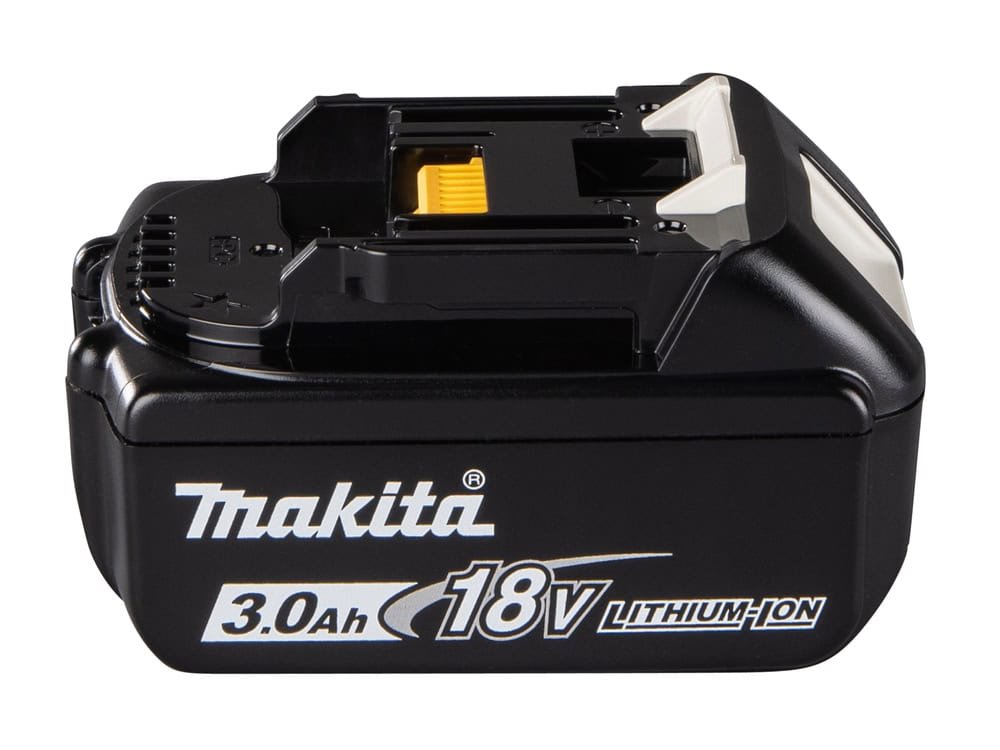
Battery Recommendation: For most Makita LXT impact work, pair your wrench with a BL1860B (6.0Ah) or BL1850 (5.0Ah). The 6.0Ah gives you the voltage stability to handle repeated break attempts without fade. If you own a compact stubby model, the BL1830 (3.0Ah) will work in a pinch, but you’ll change packs frequently on a heavy-bolt job.
Makita LXT batteries are known for reliability and fast charging—the BL1860B charges in roughly 30–45 minutes depending on charger type, so you can rotate fresh packs throughout the day.
DeWalt 20V MAX Impact Wrenches
DeWalt’s DCF899 1/2″ impact wrench and other 20V MAX models are backbone tools on many construction sites. They’re heavier-duty than Makita’s compact designs but demand substantial battery power.
Battery Recommendation: Start with a DCB206 (6.0Ah) on the 20V MAX platform. The 6.0Ah capacity ensures stable voltage under repeated high-torque strikes. A DCB205 (5.0Ah) is a solid backup, and if you also use your wrench for light fastening (not just break-loose work), two 6.0Ah packs on rotation keeps downtime minimal.
FLEXVOLT Option: DeWalt’s FLEXVOLT batteries work seamlessly in 20V MAX impact wrenches and automatically step down from 36V. If you own FLEXVOLT tools elsewhere on the job site, using a FLEXVOLT DCB606 (6.0Ah) or DCB546 (5.0Ah) in your impact wrench gives you maximum flexibility and runtime without buying additional batteries. FLEXVOLT’s higher energy density means smaller physical packs deliver equivalent power.
Milwaukee M18 FUEL Impact Wrenches
Milwaukee’s 2767-20 1/2″ M18 FUEL and 2554-20 3/8″ stubby are premium, high-performance tools designed for professional use. The FUEL brushless motor and friction-ring anvil demand reliable, high-output batteries.
Battery Recommendation: For the full-size 2767-20, use a 48-11-1860 (6.0Ah) on the M18 platform. The 6.0Ah provides the stability needed for the FUEL motor’s aggressive torque profile. For the compact 2554-20 stubby, a 48-11-1850 (5.0Ah) or even a 48-11-1830 (3.0Ah) will work well since the tool is optimized for tight spaces and draws less average power than full-size models.
Milwaukee M18 batteries are industry-standard on professional job sites; if you’re building an M18 fleet, the 6.0Ah packs are the sweet spot—expensive upfront, but they last an entire shift and minimize battery swaps.
Full Comparison: Impact Wrench Battery Guide
| Brand | Platform | Model | Voltage | Capacity | Best For | Approximate Runtime (Impact Use) |
| Makita | 18V LXT | BL1860B | 18V | 6.0Ah | Full-size impact wrench | 1.5–2 hrs |
| BL1850 | 18V | 5.0Ah | General-purpose, good balance | 1.25–1.75 hrs | ||
| BL1830 | 18V | 3.0Ah | Compact/stubby wrench | 45–60 min | ||
| DeWalt 20V MAX | 20V MAX | DCB206 | 20V | 6.0Ah | Full-size impact wrench | 1.5–2 hrs |
| DCB205 | 20V | 5.0Ah | General-purpose, good balance | 1.25–1.75 hrs | ||
| DCB204 | 20V | 2.0Ah | Light touch-up work only | 30–45 min | ||
| DeWalt FLEXVOLT | FLEXVOLT (36V/20V) | DCB606 | 36V (drops to 20V in 20V tools) | 6.0Ah | Maximum performance and runtime | 2–2.5 hrs |
| DCB546 | 36V (drops to 20V in 20V tools) | 5.0Ah | Good all-round, lighter duty | 1.5–2 hrs | ||
| Milwaukee M18 | M18 FUEL | 48-11-1860 | 18V | 6.0Ah | Full-size impact wrench | 1.5–2 hrs |
| 48-11-1850 | 18V | 5.0Ah | General-purpose, good balance | 1.25–1.75 hrs | ||
| 48-11-1830 | 18V | 3.0Ah | Compact/stubby wrench | 45–60 min |
Note: Runtimes are approximate and depend on bolt type, strike force, and ambient conditions. “Break-loose” impact work (repeated high-torque strikes) drains batteries faster than steady fastening.
Frequently Asked Questions
What capacity battery do I really need for an impact wrench?
For most full-size impact wrenches, a 5.0Ah minimum is practical for an 8-hour work day. If you do heavy break-loose work (rusted bolts, automotive suspension), 6.0Ah is better—you’ll finish jobs without constantly swapping packs. Smaller 3.0Ah packs work for stubby models and light fastening, but expect frequent battery changes on heavy jobs.
Can I use a 2.0Ah or 3.0Ah battery in my impact wrench?
Technically yes—most tools won’t be damaged. But you’ll experience voltage sag during high-torque strikes, reducing effective power and forcing you to make multiple attempts. Small packs also drain quickly and risk over-discharge, which damages battery chemistry. Save the smaller capacities for compact tools or backup use; invest in 5.0Ah+ for your primary wrench.
Are DeWalt FLEXVOLT batteries worth the extra cost for my impact wrench?
If you own other FLEXVOLT tools (large saws, grinders, drills), yes—one battery type covers your whole fleet, saving money over time. FLEXVOLT’s higher energy density also means smaller physical size for the same amp-hours. If your impact wrench is your only 20V MAX tool, a standard DCB206 6.0Ah is more cost-effective. See our DeWalt 20V MAX FLEXVOLT compatibility guide for more details.
How often should I rotate batteries to prevent damage?
For impact work, rotate batteries every 30–45 minutes of active use. This isn’t just about charge depletion—it allows batteries to cool down between high-current sessions. Allowing a brief rest lowers internal resistance and preserves chemistry longevity. On an 8-hour job, three 6.0Ah packs in rotation (one charging, two in use) is ideal for professional work.
What’s the best way to store impact wrench batteries between jobs?
Store batteries at 40–60% charge in a cool, dry place (around 60–70°F is ideal). Avoid storing fully charged or fully depleted—both states accelerate chemistry aging. For tools you’ll use within a month, half-charge them and place them in a tool bag or storage case. For longer storage, check charge every 3–4 months and top up if needed. Store away from direct sunlight and temperature extremes.
For shopping and comparing prices on compatible batteries, explore these options:
- Makita BL1860B on Amazon UK
- DeWalt DCB206 on Amazon UK
- Milwaukee 48-11-1860 on Amazon UK
- DeWalt FLEXVOLT DCB606 on Amazon UK
Summary: Choose the Right Battery, Finish the Job
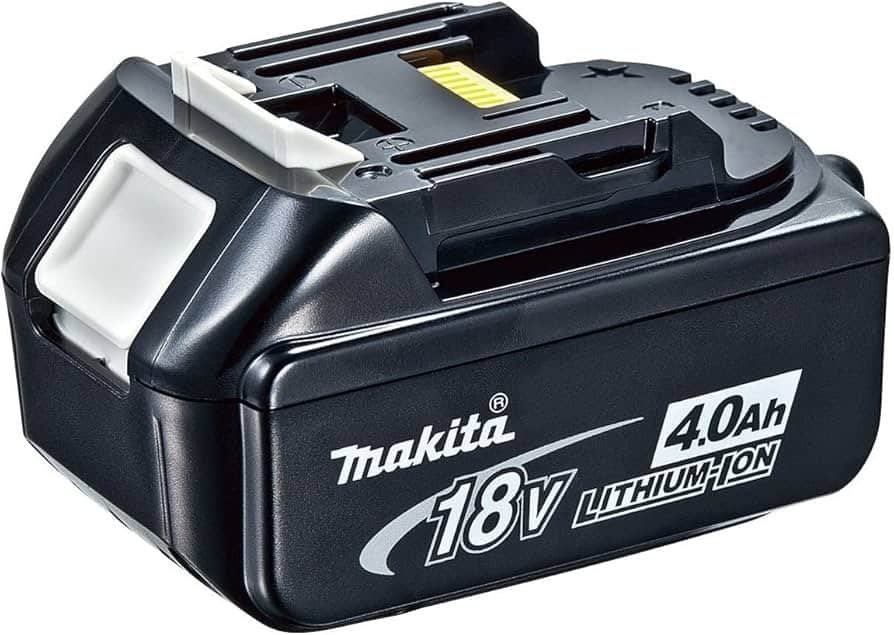
Impact wrenches are high-demand tools that need high-capacity batteries to shine. Whether you’re using Makita, DeWalt, or Milwaukee, prioritize 5.0Ah–6.0Ah packs for full-size models—they’ll keep voltage stable under repeated strike load and let you work a full shift without constant swaps. If you own a compact stubby model, smaller 3.0–4.0Ah packs are sufficient. And if you’re a DeWalt user with FLEXVOLT tools elsewhere, FLEXVOLT batteries offer outstanding flexibility and runtime in 20V MAX impact wrenches.
With the right battery paired to your impact wrench, you’ll break loose stubborn bolts faster, finish jobs on time, and protect your tool’s longevity.