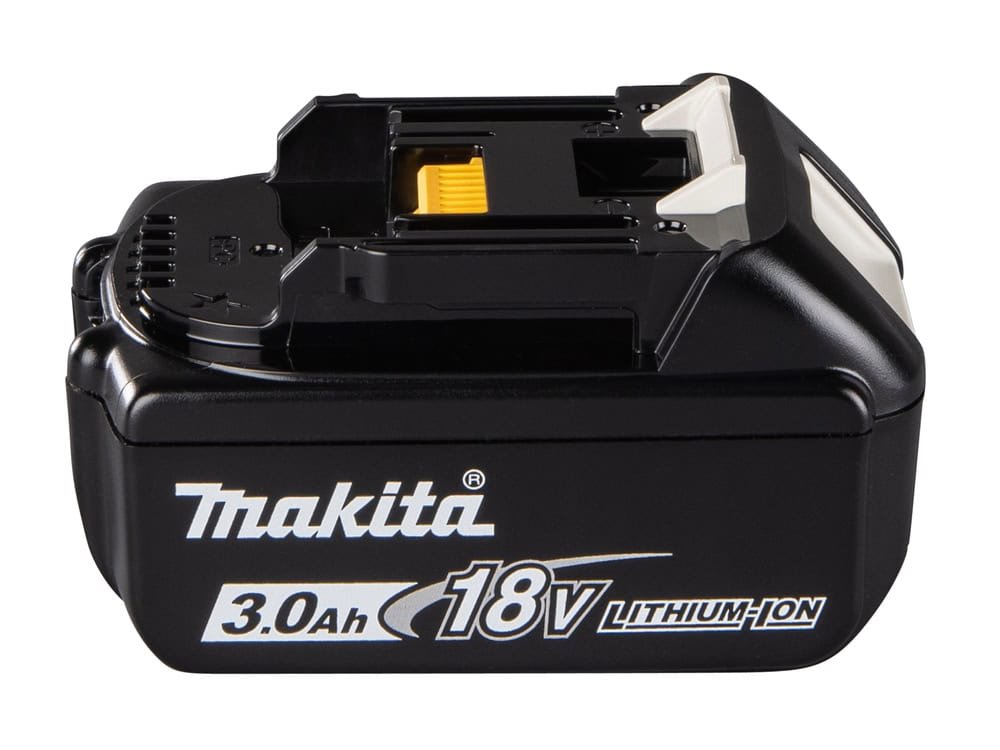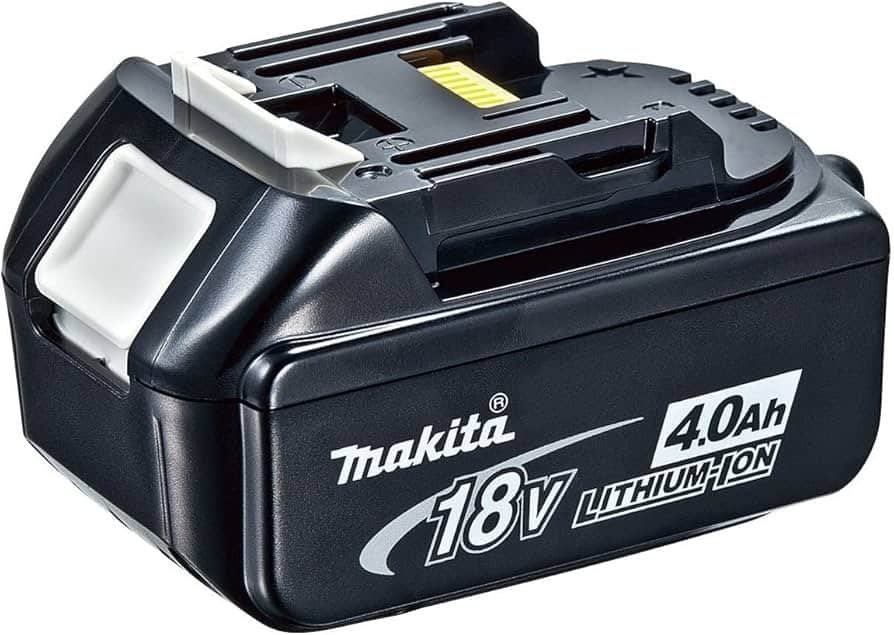
Reciprocating saws are demanding tools. Whether you’re demolishing walls, cutting through plumbing, or pruning branches, your saw drains battery power quickly and intensively. The wrong battery choice means constant recharging, loss of cutting power mid-job, and frustration on the worksite.

This guide cuts through the noise and shows you exactly which batteries deliver best performance in reciprocating saws—and why capacity and chemistry matter more than you might think.
Quick Recommendations
| Brand | Best for Demolition | Best All-Round | Budget Option |
|---|---|---|---|
| Makita 18V LXT | BL1860B (6.0Ah) | BL1850B (5.0Ah) | BL1840B (4.0Ah) |
| DeWalt 20V MAX | DCB206 (6.0Ah) | DCB205 (5.0Ah) | DCB204 (4.0Ah) |
| Milwaukee M18 | 48-11-1860 (6.0Ah) | 48-11-1850 (5.0Ah) | 48-11-1840 (4.0Ah) |
Why Battery Choice Matters for Reciprocating Saws
Reciprocating saws are one of the highest-draw cordless tools you’ll use. Unlike drills or impact drivers that operate in bursts, recip saws demand sustained, heavy current draw—especially during tough demolition work where the blade is under constant pressure cutting through wood, metal, or concrete.
What happens with the wrong battery:
- Compact 2.0Ah or 3.0Ah batteries drain in minutes and voltage sag becomes severe
- Blade speed drops mid-cut, affecting cut quality and safety
- You’ll need 3–4 battery swaps on a medium demolition job
- Smaller batteries heat up faster under sustained load
Why capacity and chemistry matter:
- Capacity (Ah): A 6.0Ah battery gives you roughly 2–3x the runtime of a 2.0Ah in a recip saw, because sustained current draw means smaller batteries hit their limits quickly
- Cell chemistry: Modern 18V/20V lithium-ion batteries hold voltage much better under load than older NiCd or NiMH. This means consistent cutting power throughout the battery’s discharge
- Thermal management: Larger batteries dissipate heat better, keeping the tool running at full performance on long cuts
Makita 18V LXT Batteries for Reciprocating Saws
Makita’s 18V LXT platform has the largest battery ecosystem and excellent performance in the DJR186 reciprocating saw.
BL1860B (6.0Ah) — Best for Demolition
The 6.0Ah is the gold standard for heavy demolition work. You get roughly 45–60 minutes of continuous cutting through tough materials before needing a swap. Voltage stays stable throughout, so your first cut is as powerful as your last. The larger form factor also distributes heat effectively, allowing the battery to handle sustained high-current demands.

View Makita BL1860B on Amazon UK
BL1850B (5.0Ah) — Best All-Round
The 5.0Ah strikes the best balance between runtime and weight. Perfect for mixed work—demolition, plumbing cuts, tree pruning—where you don’t need maximum endurance but want to avoid constant battery swaps. Most users find this the sweet spot for professional and serious DIY use.

Learn more about Makita 18V LXT battery compatibility.
View Makita BL1850B on Amazon UK
BL1840B (4.0Ah) — Light Pruning & Plumbing
Acceptable for lighter work like branch cutting or a handful of plumbing cuts. Runs out faster on demolition work but fine for occasional use. Good budget entry point if you’re already invested in 18V LXT.

View Makita BL1840B on Amazon UK
DeWalt 20V MAX Batteries for Reciprocating Saws
DeWalt’s 20V MAX platform offers strong performance in the DCS380 reciprocating saw. Note: DeWalt also offers FLEXVOLT batteries (20V/60V convertible), but standard 20V MAX is the primary compatibility option. See our DeWalt 20V MAX and FLEXVOLT compatibility guide for more detail.
DCB206 (6.0Ah) — Best for Demolition
The 6.0Ah DCB206 delivers consistent power through extended demolition sessions. The higher voltage (20V nominal vs 18V on Makita) gives slightly higher absolute power, and the 6.0Ah capacity means extended runtime. Popular choice on professional jobsites.

View DeWalt DCB206 on Amazon UK
DCB205 (5.0Ah) — Best All-Round
The 5.0Ah balances power and practicality. Lighter than the 6.0Ah but still provides excellent sustained runtime for mixed work. DeWalt’s 20V platform is very popular in the UK market, so batteries and chargers are widely available.

Learn more about DeWalt 20V MAX battery compatibility.
View DeWalt DCB205 on Amazon UK
DCB204 (4.0Ah) — Light Pruning & Plumbing
Suitable for occasional lighter cutting. Not recommended for extended demolition work due to quick depletion, but fine for plumbing cuts and branch work where total runtime is under 20 minutes.
View DeWalt DCB204 on Amazon UK
Milwaukee M18 Batteries for Reciprocating Saws
Milwaukee’s M18 FUEL platform includes the 2821-20 SAWZALL reciprocating saw, one of the most recognized recip saws in professional circles. M18 batteries are known for excellent performance under sustained load.
48-11-1860 (6.0Ah) — Best for Demolition
Milwaukee’s 6.0Ah HIGH OUTPUT battery delivers maximum sustained power. The “HIGH OUTPUT” designation means this battery is specifically engineered for high-demand tools like FUEL saws. Excellent choice for all-day demolition work. Battery management electronics keep voltage steady even at peak current draw.

View Milwaukee 48-11-1860 on Amazon UK
48-11-1850 (5.0Ah) — Best All-Round
The 5.0Ah is widely considered the “daily driver” for Milwaukee M18 users. Good balance of power, runtime, and weight. Works excellently with the M18 FUEL SAWZALL across all job types from plumbing to light demolition.

Learn more about Milwaukee M18 battery compatibility. Also see our Milwaukee M12 vs M18 battery guide if you’re comparing platforms.
View Milwaukee 48-11-1850 on Amazon UK
48-11-1840 (4.0Ah) — Light Pruning & Plumbing
Suitable for lighter cutting tasks. The M18 platform handles lighter work well, but if you’re doing this regularly, step up to a 5.0Ah or 6.0Ah for better practicality.
View Milwaukee 48-11-1840 on Amazon UK
Complete Battery Comparison Table
| Brand & Model | Capacity | Nominal Voltage | Demolition (30+ min cuts) | Mixed Work (15–30 min cuts) | Light Work (<15 min cuts) | Price Tier |
|---|---|---|---|---|---|---|
| Makita BL1860B | 6.0Ah | 18V | ✓ Excellent | ✓ Excellent | ✓ Overkill but effective | Mid–High |
| Makita BL1850B | 5.0Ah | 18V | ✓ Good | ✓ Excellent | ✓ Good | Mid |
| Makita BL1840B | 4.0Ah | 18V | ✗ Marginal | ✓ Good | ✓ Good | Budget–Mid |
| DeWalt DCB206 | 6.0Ah | 20V | ✓ Excellent | ✓ Excellent | ✓ Overkill but effective | Mid–High |
| DeWalt DCB205 | 5.0Ah | 20V | ✓ Good | ✓ Excellent | ✓ Good | Mid |
| DeWalt DCB204 | 4.0Ah | 20V | ✗ Marginal | ✓ Good | ✓ Good | Budget–Mid |
| Milwaukee 48-11-1860 (HIGH OUTPUT) | 6.0Ah | 18V | ✓ Excellent | ✓ Excellent | ✓ Overkill but effective | Mid–High |
| Milwaukee 48-11-1850 | 5.0Ah | 18V | ✓ Good | ✓ Excellent | ✓ Good | Mid |
| Milwaukee 48-11-1840 | 4.0Ah | 18V | ✗ Marginal | ✓ Good | ✓ Good | Budget–Mid |
Frequently Asked Questions
What size battery do I need for a reciprocating saw?
For any serious work—demolition, construction, tree work—use at minimum a 5.0Ah battery. If you’re doing extended demolition (walls, metal studs), 6.0Ah is the practical choice. Smaller batteries (2.0–4.0Ah) drain too quickly for reciprocating saws because of the sustained high current draw. A 5.0Ah will give you 20–40 minutes of cutting depending on material toughness; a 6.0Ah extends that to 45–60 minutes.
Can I use a compact battery in a reciprocating saw?
Technically yes, but it’s not recommended. A 2.0Ah compact battery will drain in 5–10 minutes under real demolition load. You’ll lose cutting power (voltage sag) and spend more time swapping batteries than cutting. Compact batteries are designed for light drilling, fastening, and hand tools—not sustained-draw tools like recip saws.
Is 18V or 20V better for reciprocating saws?
In practical use, the difference is minimal. DeWalt’s 20V MAX delivers slightly higher absolute power (roughly 10–15% more torque than 18V), but Makita and Milwaukee’s 18V tools are engineered to deliver comparable cutting performance. Choose based on which platform you already own; don’t switch systems just for 2 extra volts. The bigger factor is capacity (Ah): a 5.0Ah 18V battery will outperform a 3.0Ah 20V in a recip saw.
Do I need different batteries for different materials?
No. A single 5.0Ah or 6.0Ah battery will handle wood, metal, and plastic cuts. What changes is how fast it drains: cutting hardwood or steel studs demands more sustained current than softwood or plastic. This is why capacity matters more than anything else—a larger battery absorbs the higher current draw without voltage sag affecting cutting power.
What about FLEXVOLT or other multi-voltage batteries?
DeWalt’s FLEXVOLT batteries (20V/60V convertible) work in 20V MAX tools but operate in 20V mode, so they don’t offer a power advantage over standard 20V batteries. The benefit of FLEXVOLT is flexibility across multiple platforms (20V and 60V tools), not performance in a single recip saw. For recip saw use alone, standard capacity batteries are the better choice. See our DeWalt 20V MAX and FLEXVOLT compatibility guide for detailed comparison.
Summary: Choosing the Right Battery
Professional demolition work: Choose a 6.0Ah battery (BL1860B, DCB206, or 48-11-1860). The extra capacity pays for itself in reduced downtime and consistent cutting power through tough jobs.
Mixed work and serious DIY: A 5.0Ah battery (BL1850B, DCB205, or 48-11-1850) is the practical sweet spot. You’ll get 30–45 minutes of real cutting time and the tool stays lighter and more balanced than with a 6.0Ah.
Occasional light work: A 4.0Ah is acceptable for branch cutting or a few plumbing cuts, but if you find yourself doing this regularly, invest in a 5.0Ah to eliminate frustration.
Platform choice: All three brands (Makita 18V LXT, DeWalt 20V MAX, Milwaukee M18) deliver excellent reciprocating saw performance. Choose based on which ecosystem you already own and are comfortable with. The battery matters more than the 2–5V difference between platforms.
Ready to choose? Check out our detailed compatibility guides for Makita 18V LXT, DeWalt 20V MAX, and Milwaukee M18 to explore the full range of compatible tools.