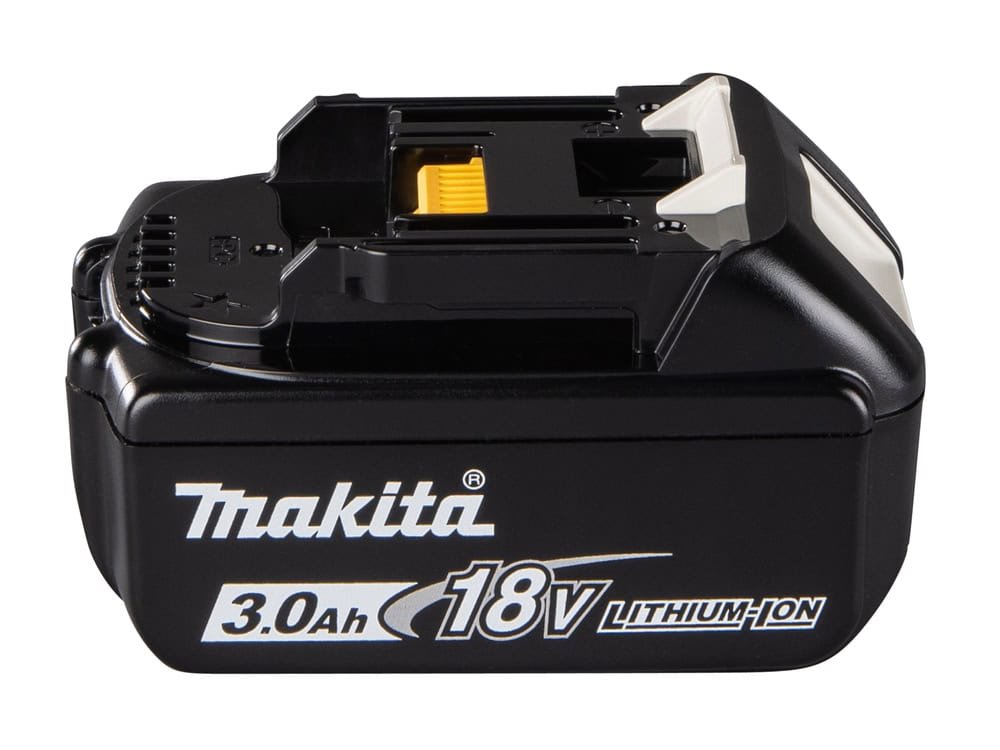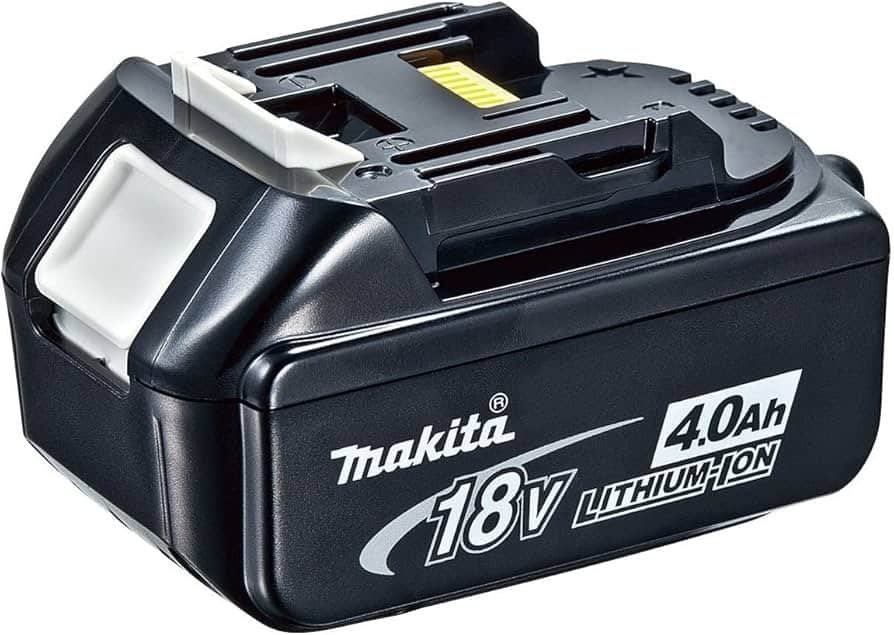

Original Makita BL1860B Battery (OEM Option)
Genuine Makita 6.0Ah 18V LXT battery for heavy-duty use.
Buy Original Makita BL1860B Battery
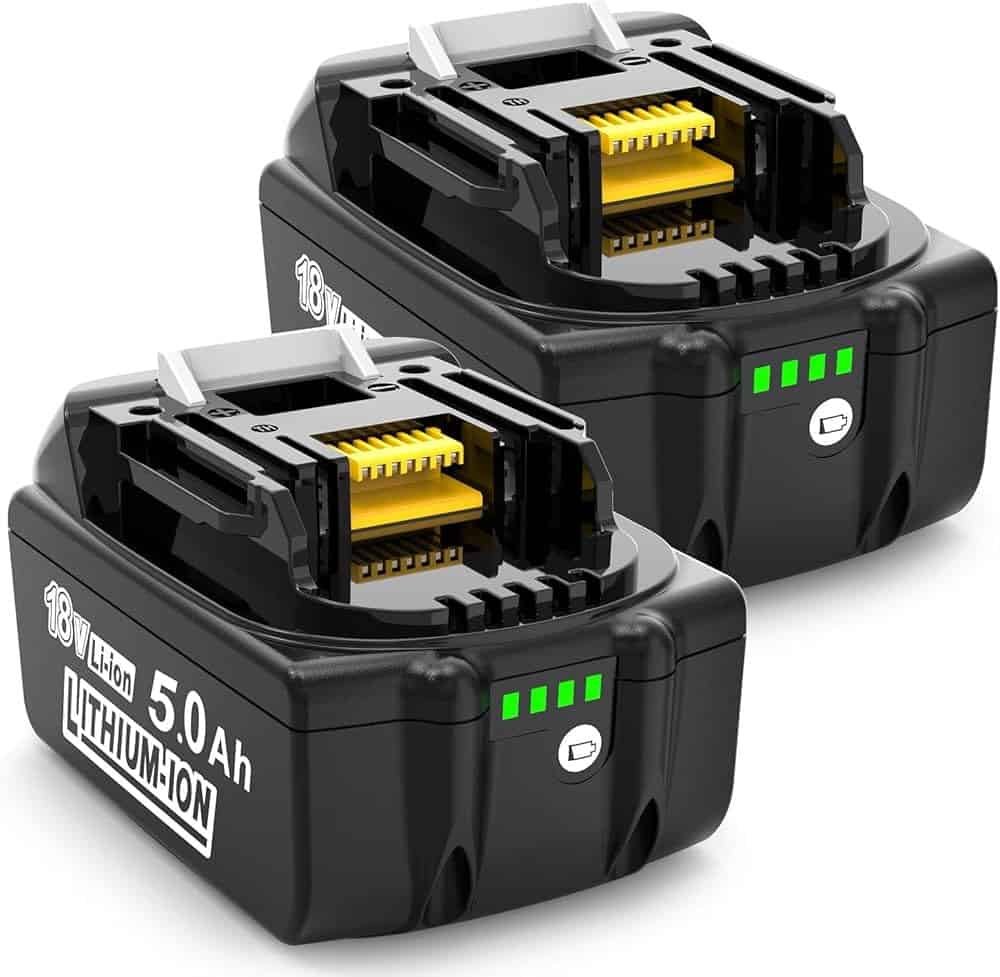
Compatible Replacement Batteries for Makita BL1860B
| Battery | Capacity | Fits Makita 18V LXT | Charger Compatible | Buy Link |
|---|---|---|---|---|
| Makita BL1860B (OEM) | 6.0Ah | Yes | Yes | Check Price on Amazon |
| Compatible Makita Battery | 6.0Ah | Yes | Yes | Check Price on Amazon |
| Budget Compatible Option | 5.0Ah | Yes | Yes | Check Price on Amazon |
Compatible Chargers
Ready to Replace Your Makita BL1860B Battery?
- Buy Original Makita BL1860B Battery
- See Compatible Makita 18V Batteries
Related Guides
- Every Makita 18V LXT Battery Compared
- Every Makita 18V LXT Tool and Which Batteries Fit
- Makita 18V LXT Charger Compatibility Guide
- Makita 18V LXT vs 40V XGT
- How Long Do Power Tool Batteries Last?
Frequently Asked Questions
Why is the BL1860B the most popular Makita battery?
The BL1860B offers the best balance of capacity, runtime, and compatibility in the 18V LXT range. At 6.0Ah, it provides the longest runtime of any standard LXT battery while remaining compatible with all 300+ tools in the platform. The “B” suffix means it includes a handy charge level indicator.
How much runtime does a BL1860B provide?
Runtime varies by tool and application. For a typical cordless drill doing intermittent drilling, expect 2-3 hours. For high-draw tools like a circular saw under continuous load, expect 25-40 minutes. The 6.0Ah capacity provides roughly double the runtime of a 3.0Ah BL1830.
Are third-party BL1860B batteries as good as genuine Makita?
The best third-party options deliver 85-95% of OEM performance at 40-60% of the price. They may have slightly shorter total lifespan (fewer charge cycles) and marginally lower actual capacity than advertised. For professional daily use, OEM is worth the investment. For occasional DIY use, quality third-party batteries are excellent value.
Can I use a BL1860B in older Makita LXT tools?
Yes. The BL1860B is backward compatible with every Makita 18V LXT tool ever made, including older models from 2005 onward. The battery rail design has remained consistent across the entire LXT platform.
Video Guide
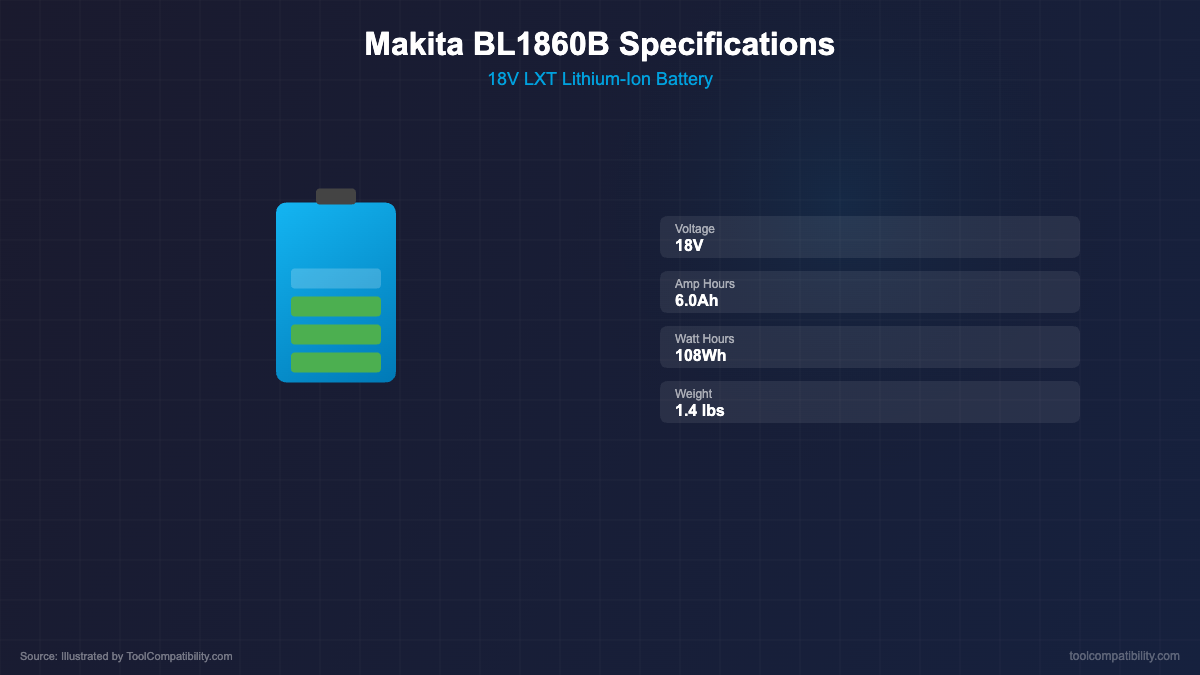
Key Specifications
| Specification | Details |
|---|---|
| Nominal Voltage | 18V |
| Capacity | 6.0 Ah |
| Watt-Hours | 108 Wh |
| Chemistry | Lithium-Ion |
| Weight | 0.55 kg |
| Battery Indicator LED | Yes (Four-stage) |
| Compatible Platform | Makita 18V LXT Series |
Signs Your BL1860B Battery Needs Replacing
Lithium-ion batteries degrade naturally over time. Here are the key signs that your Makita BL1860B battery needs replacing:
- Rapid discharge: The battery drains noticeably faster than when it was new, even after a full charge. If a battery that once lasted an hour now dies in 20 minutes, capacity has degraded significantly.
- Charges but dies quickly under load: The battery appears to charge fully but shuts off within minutes when powering demanding tools. This indicates internal cell failure where the battery can no longer deliver sufficient current.
- Excessive heat during use or charging: While some warmth is normal, a battery that becomes uncomfortably hot during operation or on the charger has damaged cells. Excessive heat is both a symptom and a cause of further degradation.
- Physical swelling or damage: Any visible bulging, cracking, or deformation of the battery casing means the cells inside have failed. Stop using a swollen battery immediately and dispose of it safely at a recycling point.
- Charger error indicators: If your Makita charger flashes error lights or refuses to charge the battery entirely, it has detected a fault. Most modern chargers include diagnostic features that identify damaged batteries.
- Age beyond 3-5 years: Even well-maintained lithium-ion batteries lose 20-30% of their original capacity after 3-5 years of regular use. If your battery is approaching this age and performance has declined, replacement is worthwhile.
OEM vs Third-Party Replacement Batteries
When replacing your Makita BL1860B, you have two main options: genuine Makita batteries or third-party compatible alternatives. Both will physically fit and power your tools, but there are meaningful differences worth considering.
| Factor | Genuine Makita | Third-Party Compatible |
|---|---|---|
| Typical Price | £40-80 | £20-45 |
| Cell Quality | Premium grade, rigorously tested | Varies by manufacturer |
| Warranty | 3-year Makita warranty | 6-12 months typically |
| Safety Certifications | Full Makita standards, CE marked | CE marked, meets EN standards |
| Expected Lifespan | 800-1,200 charge cycles | 500-800 charge cycles |
| Performance Consistency | Optimised for all Makita 18V LXT tools | Compatible, slight variation possible |
Choose genuine Makita batteries if you use your tools professionally and depend on them for income. The longer warranty, proven cell quality, and optimised performance justify the premium cost when reliability is critical. Professional contractors typically recoup the cost through longer service life.
Third-party batteries make sense for homeowners, hobbyists, and occasional users who want good performance at lower cost. Reputable aftermarket manufacturers engineer their batteries to strict compatibility standards. You can often purchase two third-party batteries for the price of one genuine unit, giving you better flexibility for weekend projects and lighter-duty tasks.
How to Get the Most from Your Replacement Battery
Follow these care tips to maximise the lifespan and performance of your new Makita BL1860B replacement battery:
- Complete the initial charge: Fully charge your new battery before first use. This calibrates the battery management system and ensures accurate charge level readings from the start.
- Store at 40-60% charge: For long-term storage, keep your battery at roughly half charge. Storing a battery fully charged or completely depleted accelerates capacity fade. Check stored batteries every 2-3 months.
- Avoid temperature extremes: Keep your battery between 5°C and 40°C during use and storage. Never leave batteries in a hot vehicle or exposed to direct sunlight. Cold weather temporarily reduces output but does not cause permanent damage.
- Remove from charger promptly: Once fully charged, disconnect your battery. Leaving it on the charger continuously causes unnecessary stress on the cells, even with modern smart chargers.
- Use compatible chargers only: Always use Makita 18V LXT chargers (DC18RC, DC18RD, DC18SD) or certified compatible chargers. These include essential safety features like temperature monitoring and overcharge protection that generic chargers may lack.