Makita sells two different 18V battery systems, and mixing them up is expensive: the mainstream LXT platform and the entry-level G-Series. They look similar in photos and share the 18V label — but the batteries and chargers do not interchange in either direction. Here’s how to tell them apart and what it means for upgrades.
Quick Answer
- G-Series batteries do not fit LXT tools or chargers, and LXT batteries do not fit G-Series tools — Makita’s own retail copy states “G-Series batteries are not compatible with the Makita LXT range of cordless tools or chargers”, and the G-Series DC18WA charger page adds it “is not compatible with other Makita brand Li-ion (CXT®/LXT®) batteries”.
- Check the battery model number: G-Series packs end in G (BL1813G, BL1815G, BL1820G). LXT packs are BL1815N, BL1830B, BL1840B, BL1850B, BL1860B.
- LXT is the platform to build on — Makita UK counts over 325 tools on the same battery, with Star Protection electronics and rapid charging. G-Series exists for low-cost starter kits.
What Is Makita G-Series?
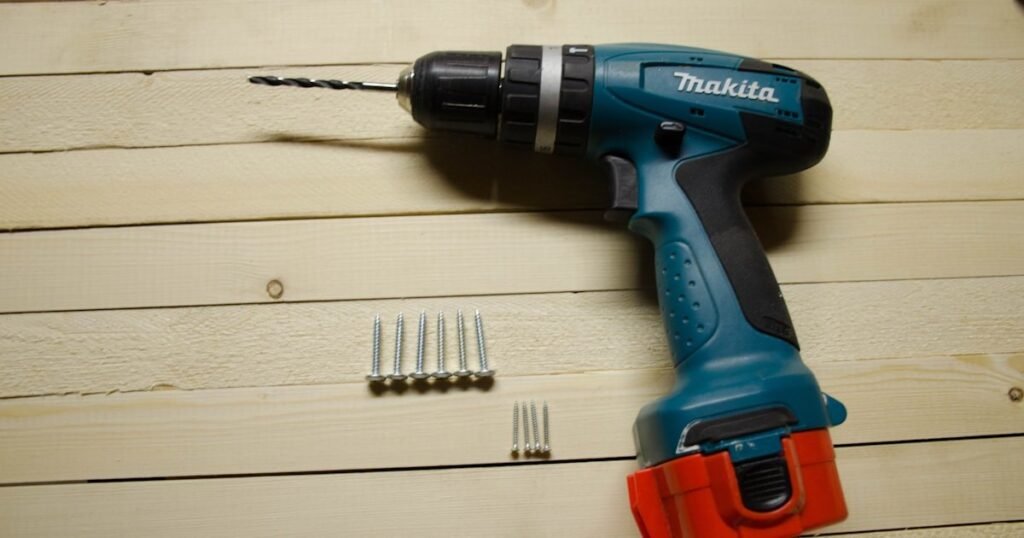
G-Series is Makita’s value 18V (and 14.4V) line, sold mainly as complete kits — for example the DK18922A combo (HP488D combi drill + TD127D impact driver + 2× BL1820G batteries + DC18WA charger). The tools are real Makitas, but they live on their own battery system: 18V packs BL1813G (1.3Ah), BL1815G (1.5Ah) and BL1820G (2.0Ah), plus 14.4V G packs (BL1413G/BL1415G) for tools like the HP347D. Capacities stop at 2.0Ah, and charging is slower — the DC18WA takes roughly 60–80 minutes depending on pack size.
Beware “BL1840G” listings: we could not verify a genuine Makita 4.0Ah G-Series pack exists — treat 4.0Ah “G-Series” batteries on marketplaces as aftermarket.
What Is Makita LXT?
LXT is Makita’s main 18V platform — over 325 tools on the same battery per Makita UK — with packs from 1.5Ah (BL1815N) to 6.0Ah (BL1860B), Star Protection Computer Controls (real-time tool-battery communication guarding against overload, over-discharge and overheating) and rapid charging (a BL1850B refills in about 45 minutes on the DC18RC). It’s also the gateway to Makita’s twin-18V (2×18V=36V) tools. See our LXT battery compatibility guide and every LXT battery compared.
Side by Side
| G-Series | LXT | |
|---|---|---|
| Batteries | BL1813G / BL1815G / BL1820G (max 2.0Ah) | BL1815N → BL1860B (up to 6.0Ah) |
| Charger | DC18WA (60–80 min; G-Series only) | DC18RC rapid (~45 min for 5.0Ah) |
| Tool range | Small kit-led range (HP488D, TD127D, DF457D…) | Over 325 tools (Makita UK) |
| Battery electronics | Basic (Star Protection not advertised) | Star Protection Computer Controls |
| Cross-compatibility | None — batteries and chargers do not interchange in either direction | |
Recommended Batteries
As an Amazon Associate we earn from qualifying purchases. Check fitment & current price on Amazon (affiliate links).
Before you buy: check that the size, fitting/bore and maximum-rated speed marked on the accessory match what your tool’s manual specifies. We have not physically tested these products; listings are compiled from published specifications. These are affiliate links.
How to Tell Which System You Own
- Battery label: a model number ending in G (BL1815G) = G-Series. BL18xxN/B = LXT.
- Tool model: LXT tools start with D (DHP481, DTD152); G-Series tools don’t (HP488D, TD127D). This is a consistent catalogue convention rather than a published rule.
- The suffix trap: a letter G in an LXT kit code — like DHP481RGJ — does not mean G-Series. In kit suffixes G indicates a 6.0Ah BL1860B battery is included (Y=1.5Ah, A=2.0, F=3.0, M=4.0, T=5.0, G=6.0; Z=body only, J=Makpac case, R=rapid charger).
Can You Use an 18V G-Series Battery in a 14.4V Tool?
No — there’s no Makita support for putting an 18V pack on any 14.4V tool. The 14.4V G-Series tools use their own BL1413G/BL1415G packs. (The DC18WA charger handles both G-Series voltages, but that’s charger-side only — it doesn’t make the packs interchangeable in tools.)
Upgrading from G-Series to LXT
Because nothing interchanges, an upgrade means new tools, batteries and charger. Makita offers no adapter (third-party ones exist; they’re not endorsed and we don’t recommend them). Practical advice: run the G-Series kit until its packs fade, then buy into LXT — ideally as a kit with two 5.0Ah packs, since batteries are the expensive part. If you’re weighing platforms more broadly, see LXT vs 40V XGT and Makita vs DeWalt vs Milwaukee.
Where to Buy
G-Series batteries (BL1815G, BL1820G) are still sold in the UK at B&Q and tool retailers, though the range is kit-led and small; LXT batteries are everywhere. As an Amazon Associate we earn from qualifying purchases.
🛒 Makita G-Series batteries on Amazon UK →
🛒 Makita LXT batteries on Amazon UK →
Frequently Asked Questions
Will a G-Series battery fit my LXT drill?
No — Makita’s retail copy is explicit that G-Series batteries are not compatible with LXT tools or chargers, and the reverse is equally true.
Can I charge a G-Series battery on an LXT charger?
No. G-Series packs charge on the DC18WA only, and the DC18WA won’t charge LXT (or CXT) packs.
Is a Makita kit ending in “G” a G-Series kit?
Usually not — in LXT kit codes the G suffix means a 6.0Ah BL1860B battery is included. Check the battery model number instead: packs ending in G are G-Series.
Is G-Series worth buying?
Only if the kit price is compelling and you’ll never expand. The moment you want a third tool, LXT’s range and battery choice make it the cheaper system overall.
How We Compile This Guide
Compatibility statements on this page are quoted from Makita UK’s official product pages and Makita-supplied retail copy, with battery model numbers verified against official listings. Where Makita documents no reason or rule (such as the mechanical cause of the incompatibility), we state the fact without speculating. Last verified August 2026.
Disclaimer: This guide is for general information only. Always confirm compatibility against the manufacturer’s documentation or the markings on your tool and battery before buying or using any battery. We accept no liability for incorrect fitment; use at your own risk.