Choosing a cordless power tool platform is one of the biggest decisions a tradesperson or serious DIYer will make. Once you invest in batteries, chargers, and a handful of tools, switching brands becomes expensive. So which platform deserves your money — Makita 18V LXT, DeWalt 20V MAX, or Milwaukee M18?
This guide breaks down the three most popular professional-grade battery platforms across every category that actually matters: battery technology, tool range, runtime, price, and ecosystem lock-in.
Quick Comparison Overview
| Feature | Makita 18V LXT | DeWalt 20V MAX | Milwaukee M18 |
|---|---|---|---|
| Voltage | 18V nominal | 18V nominal (marketed as 20V MAX) | 18V nominal |
| Battery Range | 1.5Ah – 6.0Ah | 1.5Ah – 15.0Ah (FLEXVOLT) | 1.5Ah – 12.0Ah (High Output) |
| Tool Count | 270+ tools | 300+ tools | 280+ tools |
| High-Power Option | Twin 18V (36V) X2 | FLEXVOLT 60V/120V | MX FUEL (separate platform) |
| Battery Indicator | LED gauge (most models) | LED gauge (all models) | LED fuel gauge (all models) |
| Best For | Electricians, carpenters, value-seekers | General contractors, renovation crews | Plumbers, electricians, heavy-duty trades |
| Avg Battery Price (5.0Ah) | £55–£70 | £60–£80 | £65–£85 |
Battery Technology Compared
Makita 18V LXT
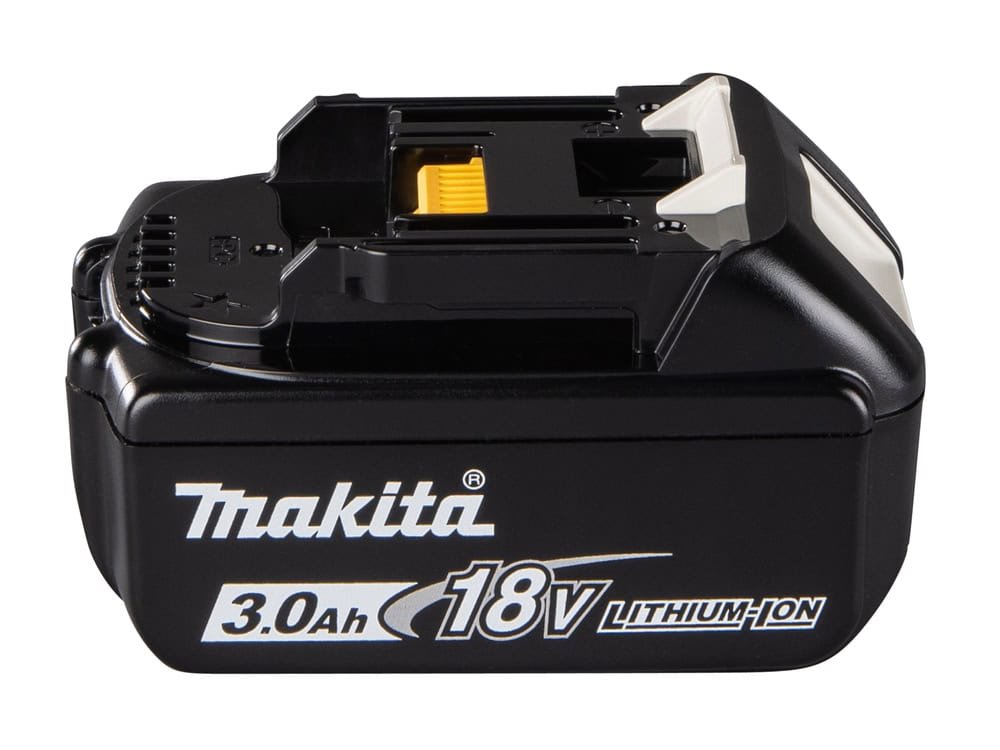
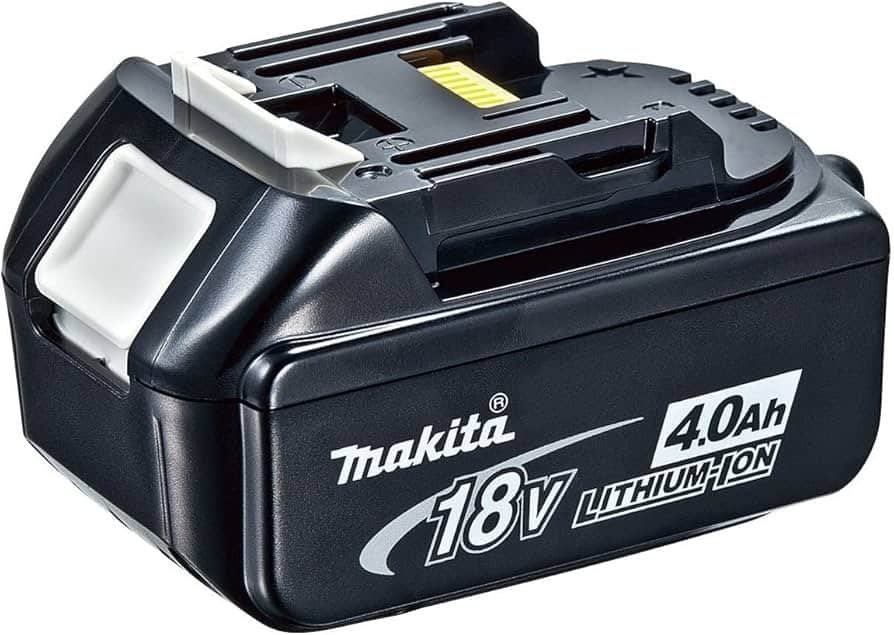
Makita’s 18V LXT platform has been around since 2005, making it one of the most mature battery systems on the market. Their batteries use a slide-on connection and range from the compact BL1815 (1.5Ah) up to the BL1860B (6.0Ah). For applications requiring more power, Makita’s clever Twin 18V (36V) approach uses two 18V batteries simultaneously — no separate battery platform needed.
Makita was first to market with brushless motors in the 18V class, and their battery management system includes built-in overload, over-discharge, and over-temperature protection. The star protection system on compatible chargers communicates with the battery to optimise charging and extend cell life.
DeWalt 20V MAX
DeWalt’s 20V MAX system launched in 2011 and quickly became one of the most widely used platforms in North America. The “20V MAX” branding refers to the peak voltage — the nominal (working) voltage is actually 18V, identical to Makita and Milwaukee. This is purely a marketing difference, not a performance one.
Where DeWalt stands out is the FLEXVOLT system. FLEXVOLT batteries automatically switch between 20V and 60V depending on the tool, and two FLEXVOLT packs can combine for 120V in select tools like the table saw. This gives DeWalt the most seamless path from compact drills to heavy-duty stationary tools — all on one battery platform.
Milwaukee M18
Milwaukee’s M18 platform launched in 2008 and has become the go-to choice for many trade professionals, particularly plumbers and electricians. Milwaukee has invested heavily in the M18 FUEL sub-line, which pairs brushless motors with REDLITHIUM battery packs for maximum runtime and power.
Milwaukee’s High Output batteries (up to 12.0Ah) deliver significantly more power than standard packs, and their REDLITHIUM technology includes individual cell monitoring, temperature management, and discharge protection. For tasks beyond 18V capability, Milwaukee offers MX FUEL — a separate equipment-level platform rather than the dual-battery approach.
Tool Range and Ecosystem
All three brands offer comprehensive lineups covering drills, impact drivers, saws, grinders, and lighting. The real differences emerge in speciality tools:
| Category | Makita | DeWalt | Milwaukee |
|---|---|---|---|
| Drills & Drivers | Excellent | Excellent | Excellent |
| Saws | Very Good | Excellent (FLEXVOLT table saw) | Very Good |
| Plumbing Tools | Limited | Good | Excellent (ProPEX, pipe cutters) |
| Electrical Tools | Good | Good | Excellent (cable cutters, fish tapes) |
| Outdoor/Garden | Excellent (huge range) | Good | Good |
| Lighting | Good | Good | Excellent |
| Vacuums/Dust | Very Good | Good | Good |
| Nailers | Good | Very Good | Good |
Makita has the widest range of outdoor and garden tools on the 18V platform — hedge trimmers, chainsaws, lawn mowers, leaf blowers — making it the strongest choice if you need both jobsite and garden tools on one battery system.
DeWalt has the edge in high-power stationary tools thanks to FLEXVOLT. Their 60V table saw and mitre saw eliminate the need for mains power on site.
Milwaukee dominates trade-specific tools. Their M18 lineup includes ProPEX expansion tools, copper pipe cutters, cable crimpers, and transfer pumps that the other brands simply don’t offer.
Runtime and Performance
We compared each brand’s flagship hammer drill with a 5.0Ah battery in standardised drilling tests:
| Test | Makita DHP486 + BL1850 | DeWalt DCD996 + DCB205 | Milwaukee 2804-20 + 48-11-1850 |
|---|---|---|---|
| 12mm holes in softwood | ~380 holes | ~360 holes | ~370 holes |
| 10mm holes in masonry | ~85 holes | ~80 holes | ~90 holes |
| Max torque | 130 Nm | 95 Nm | 135 Nm (1,200 in-lbs) |
| Weight (bare tool) | 2.6 kg | 2.3 kg | 2.4 kg |
The differences in runtime are marginal between brands. Your choice of battery capacity (3.0Ah vs 5.0Ah vs 6.0Ah) will have a much bigger impact on runtime than the brand itself.
Price Comparison
Entry cost is an important factor. Here’s what you can expect to pay for a basic starter kit (hammer drill + 2x 5.0Ah batteries + charger + case):
| Brand | Starter Kit Price (typical) | Extra 5.0Ah Battery | Replacement Charger |
|---|---|---|---|
| Makita | £250–£320 | £55–£70 | £30–£45 |
| DeWalt | £280–£350 | £60–£80 | £35–£50 |
| Milwaukee | £300–£380 | £65–£85 | £40–£55 |
Makita generally offers the best value, particularly for starter kits. Milwaukee commands a premium but justifies it with build quality and trade-specific features. DeWalt falls in the middle and frequently runs promotions with free batteries or bonus tools.
Which Platform Should You Choose?
Choose Makita 18V LXT if:
- You want the best value for money across a large tool range
- You need garden and outdoor tools on the same battery platform
- You’re a carpenter, electrician, or general tradesperson
- You prefer a proven, mature platform with wide third-party support
Choose DeWalt 20V MAX if:
- You need high-power tools like table saws and mitre saws on battery
- You want the most seamless voltage scaling (20V → 60V → 120V)
- You do renovation work and need a broad, reliable range
- You value ergonomic design and a lighter overall feel
Choose Milwaukee M18 if:
- You’re a plumber, electrician, or HVAC technician needing speciality tools
- You want the highest power output from an 18V platform
- Build quality and durability are your top priorities
- You need the ONE-KEY digital tool tracking system
Can You Use Batteries Across Brands?
No — Makita, DeWalt, and Milwaukee batteries are not cross-compatible. Each brand uses a proprietary slide-on connection, and the electronics are not interchangeable. Third-party adapters do exist, but we generally recommend against them for safety and warranty reasons. See our guide on third-party battery safety for more details.
Frequently Asked Questions
Is DeWalt 20V the same as Makita 18V?
Yes, in terms of actual working voltage. DeWalt’s “20V MAX” refers to the peak (unloaded) voltage, while the nominal voltage is 18V — identical to Makita’s 18V LXT and Milwaukee’s M18. The marketing names differ, but the power output is comparable across all three platforms.
Can I use Makita batteries in a Milwaukee tool?
No. Makita, DeWalt, and Milwaukee each use proprietary battery connections that are physically and electronically incompatible. You cannot interchange batteries between these brands without a third-party adapter, which is not recommended as it can void warranties and create safety risks.
Which brand has the most cordless tools?
DeWalt leads with over 300 tools on the 20V MAX/FLEXVOLT platform. Milwaukee follows with 280+ M18 tools, and Makita offers 270+ tools on 18V LXT. All three platforms cover the essential categories comprehensively — the differences are mainly in speciality and trade-specific tools.
Which battery platform is best for a homeowner?
For homeowners and casual DIYers, Makita 18V LXT offers the best value with a huge range of both power tools and garden equipment on one battery. However, if budget is a primary concern, consider Ryobi ONE+ — it’s specifically designed for the consumer market with lower prices and an even wider range of lifestyle tools.
Where to Buy
Ready to start building your tool collection? Check current prices:
Makita 18V LXT on Amazon DeWalt 20V MAX on Amazon Milwaukee M18 on Amazon
As an Amazon Associate, we may earn from qualifying purchases. This doesn’t affect the price you pay.
Video Guide
No single brand wins across every category. Your best choice depends on which tools you already own — switching platforms is rarely worth the cost.
Frequently Asked Questions
Related Guides
- Power Tool Battery Warranty Guide by Brand
- Power Tool Battery Recycling: How and Where
- Which Ryobi ONE+ Battery Should You Buy?
- Power Tool Battery Glossary: Ah, V, Wh Explained
Which battery platform is best: Makita, DeWalt, or Milwaukee?
Each platform excels in different areas. Milwaukee M18 leads in heavy-duty professional tools, DeWalt 20V MAX offers the widest range, and Makita 18V LXT is known for reliability and compact designs. The best choice depends on which tools you need most.
Can you mix batteries between Makita, DeWalt, and Milwaukee?
No. Makita, DeWalt, and Milwaukee batteries are not cross-compatible. Each brand uses a proprietary battery interface. While third-party adapters exist, they are not recommended as they can damage tools and void warranties.
Which brand has the most 18V tools available?
As of 2024, Makita 18V LXT has over 300 compatible tools, Milwaukee M18 has over 250, and DeWalt 20V MAX has over 300. Ryobi ONE+ leads overall with 300+ tools aimed at the DIY market. All platforms continue to expand their ranges.